Jallianwala Bagh Massacre: 107 Years Later, Martyrs' Count Remains Unverified
More than a century after one of the darkest chapters in India's colonial history, the exact number of martyrs of the Jallianwala Bagh massacre continues to remain uncertain and disputed. On April 13, 1919, thousands of men, women and children gathered at Jallianwala Bagh in Amritsar to celebrate Baisakhi and peacefully protest against the repressive Rowlatt Act.
What followed was an indiscriminate firing by British troops that transformed a festive gathering into a scene of unimaginable horror and bloodshed. Even after 107 years, there is no consensus on the number of people who were martyred that fateful day.
Widely Varying Estimates Create Historical Confusion
Estimates have varied dramatically—from approximately 500 to 800 to over 1,200 victims—creating ongoing confusion and debate among historians, government officials, and descendants of the victims. This wide discrepancy has prevented closure for families and complicated historical documentation of the tragedy.

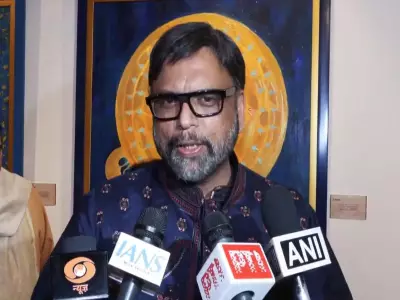
Raising this critical issue, former Rajya Sabha MP and trustee of the Jallianwala Bagh National Memorial Trust, Tarlochan Singh, has urgently appealed to the Punjab government to prepare a verified list of martyrs. He emphasized that this list should be properly authenticated by the Deputy Commissioner of Amritsar and prominently displayed at Jallianwala Bagh.
"The authenticated list displayed at Jallianwala Bagh will bring much-needed clarity and closure to the long-standing uncertainty," stated Tarlochan Singh. He noted that the current list displayed at the memorial is allegedly disputed and lacks proper verification.
Historical Context of the Tragedy
The tragedy cannot be fully understood without recalling the oppressive context of the Rowlatt Act, which empowered the British administration to arrest and detain Indians without trial. This draconian law triggered widespread anger and resistance across the country.
In Amritsar specifically, tensions escalated dramatically after the arrest of prominent leaders Dr. Saifuddin Kitchlew and Dr. Satyapal on April 10, 1919. Protests erupted throughout the city, prompting the administration to impose martial law and ban all public gatherings.
Unaware of these severe restrictions, thousands of innocent people assembled at Jallianwala Bagh on Baisakhi. Viewing the gathering as defiance, British General Reginald Dyer marched in with troops, blocked the narrow entrance, and ordered firing without any warning whatsoever.
The shooting lasted approximately ten minutes, leaving hundreds dead and many more injured in what remains one of the most brutal acts of colonial repression in Indian history.
Previous Documentation Attempts and Current Challenges
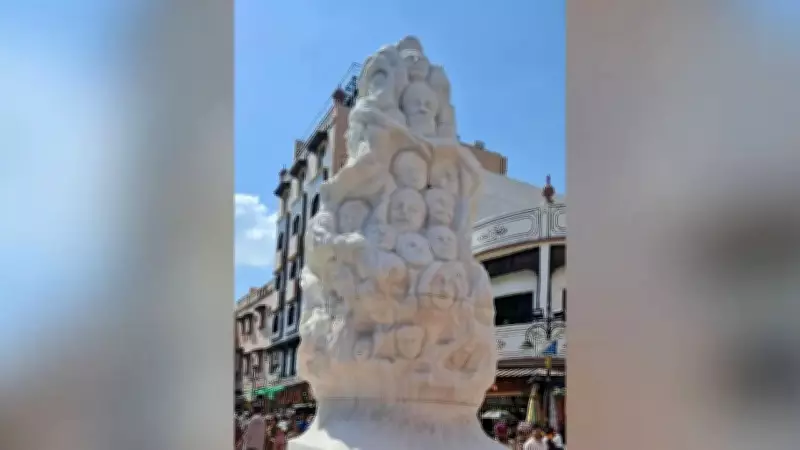
In January 2021, the Amritsar Deputy Commissioner's office prepared a list of 492 martyrs, which is displayed at a parallel memorial constructed during the tenure of former chief minister Captain Amarinder Singh at Ranjit Avenue. However, this list failed to resolve the ongoing controversy surrounding the actual death toll.
According to Mahesh Behal, president of the Jallianwala Bagh Shaheed Parivar Samiti, no authenticated and universally accepted list has been released to date. "People still approach the Shaheed Parivar Samiti to have the names of their ancestors included," Behal explained, "but our organization can only record such claims without any official validation."
Behal further noted that a figure of approximately 1,250 martyrs, mentioned in some central government records, is believed by many historians and families to be closer to reality. Yet, the absence of a definitive, verified roll continues to cast doubt over all existing estimates.
Additional Complexities in Documentation
Adding another layer of complexity to this historical puzzle, Behal revealed that several descendants of the martyrs are now believed to be living in Pakistan, making comprehensive documentation even more challenging. Cross-border verification presents significant logistical and diplomatic hurdles that have hampered previous documentation efforts.

Despite these substantial obstacles, there is growing and persistent demand from historians, families, and the public for the government to take decisive, concrete steps to finally authenticate the martyrs' list. The tenure of the present Trust office-bearers and members expired in 2023 and hasn't been reconstituted so far, adding administrative challenges to the verification process.
The need for historical accuracy and proper recognition of the victims remains pressing as India approaches the 108th anniversary of this tragic event. A verified, authenticated list would not only provide closure to descendants but also ensure accurate historical recording of one of colonial India's most devastating tragedies.