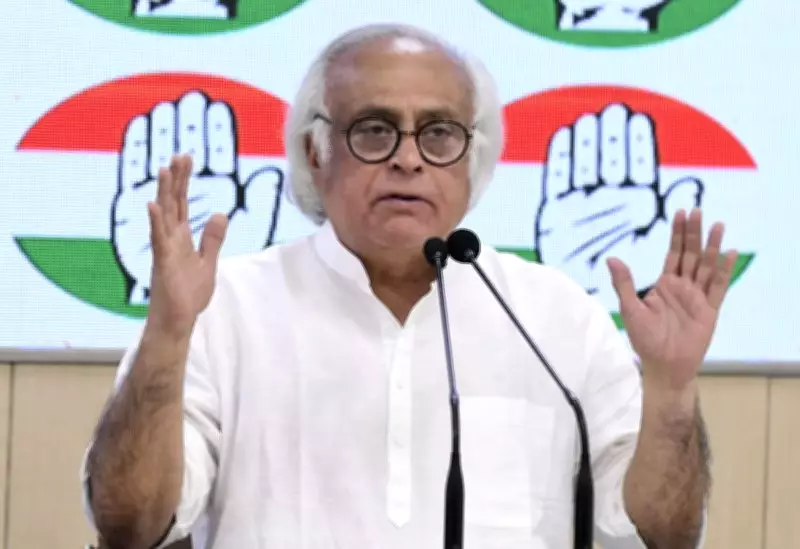
Congress Leader Jairam Ramesh Launches Scathing Attack on Government Bills
In a sharp political critique, senior Congress leader Jairam Ramesh has vehemently condemned recent bills introduced by the government, labeling them as mischievous in intent, devious in content, and enormously damaging in their potential impact. His remarks have ignited a fresh wave of debate in India's political landscape, highlighting deep-seated opposition concerns over legislative moves.
Allegations of Mischievous Intent and Devious Content
Ramesh asserted that the true purpose behind these bills is not as straightforward as presented, but rather mischievous, suggesting hidden agendas that could undermine democratic processes or public welfare. He described the content as devious, implying that the bills are crafted in a way that obscures their full implications or includes provisions that may be harmful if not scrutinized closely.
This criticism points to a broader narrative of political distrust, where opposition parties often accuse the ruling government of pushing through legislation without adequate transparency or consultation.

Potential for Enormous Damage
Emphasizing the severity of his concerns, Ramesh warned that the damage from these bills could be enormous, affecting various sectors such as:
- Economic stability, if the bills alter fiscal policies or business regulations adversely.
- Social harmony, through provisions that might impact marginalized communities or civil liberties.
- Governance integrity, by potentially centralizing power or bypassing checks and balances.
His statement underscores fears that poorly conceived legislation could have long-term negative consequences for the nation.
Political Context and Reactions
This outburst comes amid ongoing parliamentary sessions where multiple bills are under discussion. Ramesh, known for his outspoken views, has positioned the Congress party in firm opposition, rallying support from other critics who share similar apprehensions.
In response, government representatives have defended the bills as necessary reforms aimed at progress and development, dismissing the allegations as politically motivated. This clash reflects the intense partisan dynamics in Indian politics, where legislative debates often turn into heated exchanges.
Implications for Future Governance
The controversy raises important questions about:
- Legislative scrutiny: How bills are reviewed and debated in Parliament to ensure they serve public interest.
- Political accountability: The role of opposition in holding the government accountable for its policies.
- Public awareness: The need for citizens to stay informed about legislative changes that could affect their lives.
As the debate unfolds, it remains to be seen how this criticism will influence the passage or amendment of the bills in question.