Iran War Reshapes Political Landscape in Kerala Ahead of Crucial Assembly Election
As Kerala prepares for a pivotal assembly election, the escalating conflict involving Iran, the United States, and Israel is emerging as a significant factor in the political discourse. The situation is particularly sensitive due to the large Malayali diaspora living and working in Gulf nations affected by Iran's continued strikes.
Gulf Stranding Concerns Enter Election Conversation
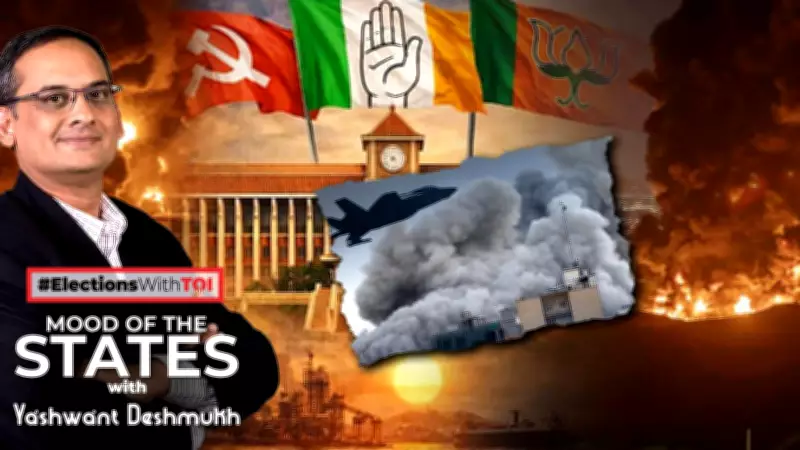
Political analyst and C-Voter Founder-Director Yashwant Deshmukh has highlighted how the Iran war has quietly entered Kerala's political conversation. The concern over Keralites stranded in conflict-affected Gulf regions is growing among voters, creating a complex dynamic for political parties navigating the campaign trail.
"The Iran conflict has humbled traditional political narratives in Kerala," Deshmukh noted in TOI's special election series Mood Of The States. "What began as a distant international crisis has become a local election issue with real implications for voter sentiment."

Parties Tread Cautiously on Sensitive Issue
Despite the growing concern, political parties are approaching the topic with extreme caution. Campaign strategies have been adjusted to avoid direct commentary on the conflict, given the emotional sensitivity among voters with family members in affected regions.
The cautious approach reflects several key considerations:
- The substantial economic impact of Gulf remittances on Kerala's economy
- Direct family connections between Kerala residents and those working in conflict zones
- Potential diplomatic implications of political statements on international conflicts
- The need to balance local concerns with national foreign policy positions
How the Conflict Could Influence Voter Sentiment
Deshmukh's analysis suggests the Iran war could reshape electoral dynamics in several important ways:
- Shift in Priority Issues: Traditional local development issues may be overshadowed by international concerns affecting the diaspora
- Government Response Evaluation: Voters may judge parties based on their perceived effectiveness in addressing the Gulf crisis
- Emotional Voting Patterns: Families with members in affected regions may vote based on security concerns rather than traditional party loyalties
- Campaign Strategy Adjustments: Parties must balance addressing voter concerns without appearing to exploit a humanitarian crisis
The Broader Implications for Kerala Politics
The Iran conflict's entry into Kerala's election discourse represents a significant departure from typical state election issues. This international crisis has created a unique intersection between global events and local politics, forcing parties to reconsider their campaign pitches and messaging strategies.
Deshmukh emphasized that the situation demonstrates how external events can unexpectedly influence domestic political landscapes. The analyst's observations come as part of broader election coverage examining voter sentiment across multiple states facing elections in 2026.
As the campaign progresses, political observers will be watching closely to see how parties navigate this sensitive issue while maintaining their core electoral promises and addressing the immediate concerns of affected families in Kerala.