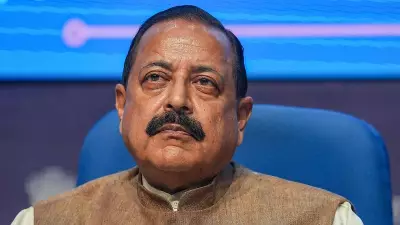
As India commemorates the 108th birth anniversary of former Prime Minister Indira Gandhi on November 19, we delve into the lesser-known aspects of her remarkable life and political career. The Iron Lady of India left an indelible mark on the nation's history through her strong leadership and controversial decisions.
Early Life and Nationalist Roots
Indira Gandhi demonstrated her nationalist sentiments from a very young age in a rather dramatic fashion. When she discovered that her favorite dolls were manufactured in Britain, the young Indira made a bold statement by building a small bonfire and burning them. Though this act deeply upset her emotionally, she remained steadfast in her protest against foreign goods.
Her commitment to India's freedom struggle became even more evident when, at just 12 years old, she formed a youth resistance group called Vaanar Sena. Inspired by the mythological army that assisted Lord Ram, this organization comprised thousands of children who actively supported the independence movement. These young revolutionaries carried secret messages, displayed posters, and performed various errands while cleverly evading British police suspicion.

Education and Personal Transformation
Indira Gandhi's educational journey included a significant year at Visva-Bharati University in Shantiniketan, where she studied under the guidance of Nobel laureate Rabindranath Tagore. It was during this period that Tagore reportedly gave her the name Priyadarshini, which translates to "beautiful to behold."
Her international exposure continued with studies in Switzerland, where she became fluent in French. This linguistic skill later proved invaluable in diplomatic circles, enabling her to understand conversations directly without complete dependence on translators.
Political Battles and Leadership Challenges
When Indira Gandhi first assumed the role of Prime Minister, political opponents like Ram Manohar Lohia mockingly referred to her as "Gungi Gudiya" or "dumb doll", expecting her to be a puppet leader. However, she decisively proved them wrong by asserting strong leadership and building her own political authority.
Her political journey faced a major hurdle in 1969 when she was expelled from the Congress party following clashes with powerful Syndicate leaders. Refusing to comply with their decisions led to a party split, prompting her to form her own faction called Congress (R), which later evolved into Congress (I). Despite this setback, she managed to retain her position as Prime Minister with external support.
Controversial Decisions and International Relations
One of Indira Gandhi's most significant but secretive decisions was approving India's first nuclear test, codenamed "Smiling Buddha" in 1974. The operation was so confidential that even the Defence Minister was reportedly informed only after the fact. This successful test marked India's official entry into the group of nuclear-armed nations.
Following India's decisive victory in the 1971 war against Pakistan, Indira Gandhi reportedly believed that the CIA planned to assassinate her. This perceived threat allegedly influenced her thinking and made her more cautious about the United States, while the Soviet Union strategically used this fear to strengthen its ties with India during the Cold War era.
Her government faced numerous corruption allegations during the 1970s that attracted global media attention. The impact was so profound that in Turkey, her name became slang terminology for cheating and corruption, significantly affecting her international reputation during that period.
Personal Beliefs and Spiritual Practices
Despite maintaining a public image of secularism, Indira Gandhi maintained deep personal spiritual beliefs. She was personally devoted to Lord Shiva and reportedly chanted the Gayatri Mantra regularly while practicing yoga every morning. Spirituality formed an integral part of her daily routine, providing balance to her demanding political life.

As we reflect on Indira Gandhi's 108th birth anniversary, these lesser-known facts reveal the complex layers of a leader who shaped modern India through her visionary decisions, political struggles, and personal convictions that continue to influence the nation's political landscape.