

India's Republic as a Living Conversation Across Generations
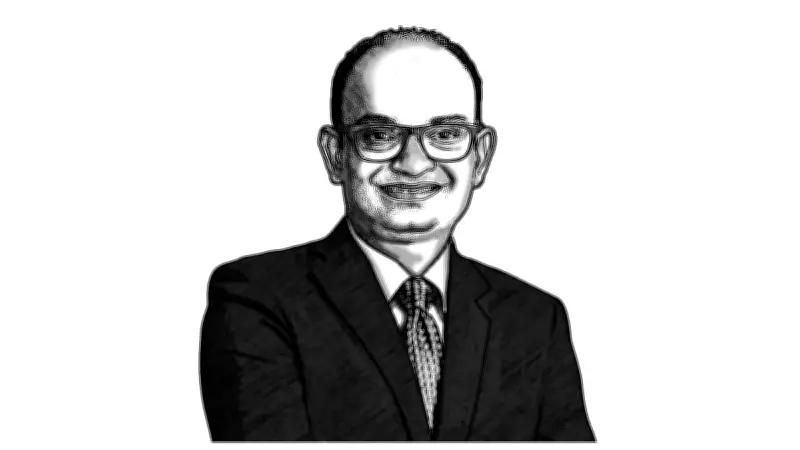
In a profound reflection on the nature of the Indian Republic, Gopichand Katragadda posits that India, as a Republic, is best comprehended not as a static entity but as a vibrant, ongoing conversation that spans across generations. This conceptual framework offers a nuanced lens through which to view the nation's complex social and political fabric.
The Multifaceted Dialogue of a Nation
Katragadda emphasizes that even within the microcosm of many Indian families, diverse conversational strands coexist, reflecting the broader societal discourse. These strands represent differing perspectives, values, and experiences that are passed down and debated, shaping the collective identity of the Republic.
This intergenerational exchange is crucial for sustaining the democratic ethos of India. It allows for the continuous reinterpretation of constitutional principles in light of contemporary challenges and aspirations. The conversation is not monolithic; it encompasses voices from various regions, communities, and ideological standpoints, contributing to a rich tapestry of national dialogue.

Sustaining the Republic Through Dialogue
The idea of the Republic as a conversation underscores the dynamic and evolving nature of Indian democracy. It highlights how each generation engages with the legacy of the past while negotiating the demands of the present and future.
This perspective challenges reductionist views of India as merely a political or geographical entity. Instead, it frames the nation as a living, breathing dialogue that adapts and grows over time. The coexistence of multiple strands within families mirrors the pluralistic essence of the Republic, where unity is forged through diversity and debate.
Ultimately, Katragadda's insight invites citizens to actively participate in this grand conversation, ensuring that the Republic remains responsive, inclusive, and resilient in the face of change.






