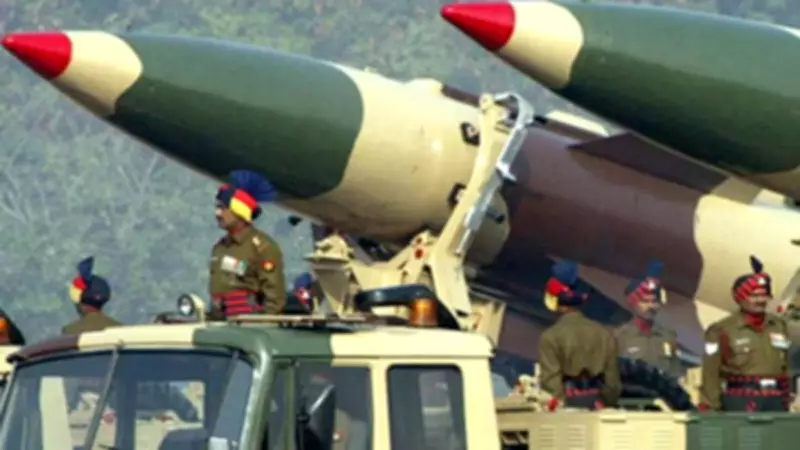
India has made a major shift in its nuclear weapons policy by deploying 12 warheads, marking a significant departure from its longstanding doctrine of minimum credible deterrence. This development, reported on June 9, 2026, signals a more assertive posture in the region.
Details of the Deployment
The deployment includes both land-based and sea-based nuclear assets, enhancing India's second-strike capability. The warheads are believed to be part of the Agni series of missiles and are now operational under the Strategic Forces Command. This move aligns with India's goal of maintaining a credible nuclear deterrent against potential adversaries.
Implications for Regional Security
This policy shift is expected to alter the strategic balance in South Asia. China, which has a larger nuclear arsenal, has expressed concern over the development. Russia, a traditional ally of India, has called for restraint and dialogue. The United States has urged all parties to avoid escalation.

Reactions from China and Russia
China's foreign ministry stated that it is closely monitoring the situation and urged India to adhere to international non-proliferation norms. Russia, while maintaining its partnership with India, emphasized the importance of strategic stability. The deployment comes amid ongoing border tensions between India and China.
Expert Analysis
Strategic analysts suggest that India's move is a response to the modernization of China's nuclear forces and the growing assertiveness of Pakistan. The shift from a no-first-use policy to a more flexible posture could trigger an arms race in the region. However, Indian officials maintain that the policy remains defensive in nature.
In conclusion, India's deployment of 12 warheads represents a significant evolution in its nuclear strategy, with potential repercussions for global security dynamics. The international community will be watching closely as the situation develops.