In a dramatic and strongly worded address delivered from exile, former Bangladesh Prime Minister Sheikh Hasina has issued a grave warning about the state of her nation, declaring that Bangladesh is teetering on the brink of an abyss. Speaking via an online audio message at an event held in New Delhi, Hasina painted a bleak picture of a country engulfed by violence, instability, and the erosion of democratic norms.
Hasina's Scathing Critique from Exile
Sheikh Hasina, who has been living in exile since August 2024, used the platform to launch a fierce attack on the current interim government. She alleged that extremist communal forces, coupled with the influence of foreign actors, have deliberately pushed Bangladesh into a state of chaos and disarray. Her remarks highlight deep-seated political tensions and international concerns regarding the region's stability.
Targeting Interim Chief Advisor Mohammed Yunus
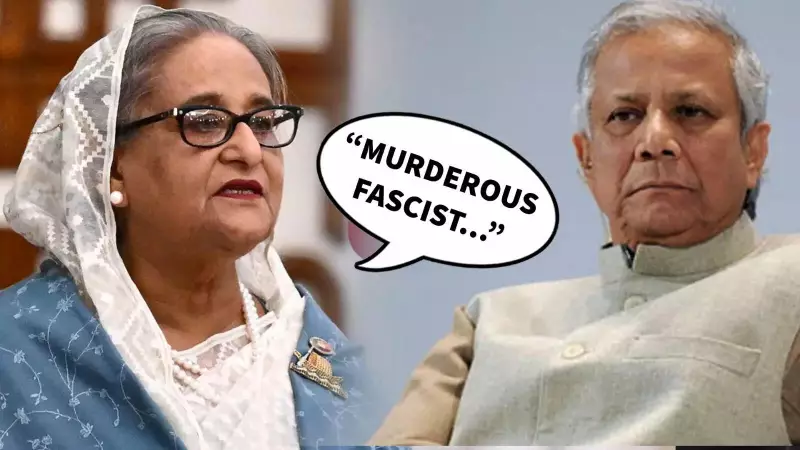
Central to Hasina's criticism was her direct condemnation of interim government chief advisor Mohammed Yunus. In her message, she labeled Yunus as a "murderous fascist," accusing him of rampant corruption and authoritarian rule. Hasina claimed that her removal from power was not a democratic transition but the result of a meticulously planned conspiracy aimed at undermining constitutional governance.
Warnings of Lawlessness and Institutional Decay
Beyond personal attacks, Hasina outlined several alarming trends she observes in Bangladesh. She warned of rising lawlessness across the country, systematic persecution of minority communities, and a significant weakening of key institutions. According to her, these factors collectively contribute to the erosion of democracy, leaving the nation vulnerable to further turmoil.
Call for Unity and Constitutional Restoration
Amidst her dire assessment, Hasina issued a rallying cry for unity among Bangladeshis. She emphasized the urgent need to restore constitutional governance and democratic principles to steer the country away from the precipice. Her call to action underscores the high stakes involved in Bangladesh's current political landscape.
This statement from a former leader in exile adds a volatile dimension to Bangladesh's ongoing political discourse, reflecting deep divisions and the potential for escalated conflict. Observers note that such rhetoric could influence both domestic politics and international perceptions of the region's stability.