Harish Rina Funeral: Family and Friends Bid Tearful Adieu in Delhi
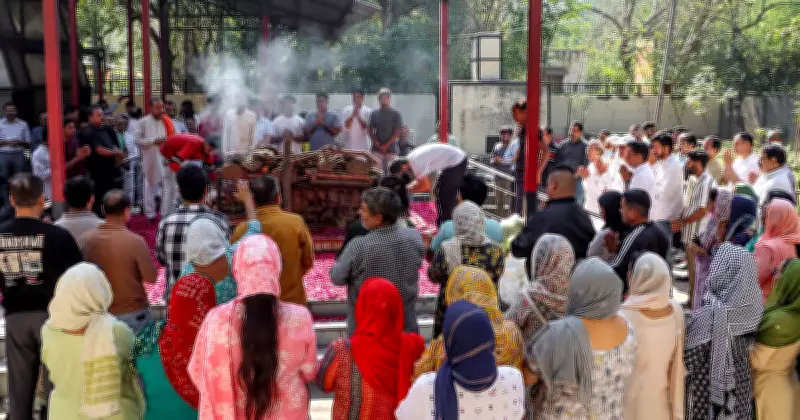
India's first person to receive legal passive euthanasia, Harish Rana, was laid to rest in Delhi today, March 25, 2026. His final rites were performed at the Green Park cremation ground, where his loved ones and well-wishers gathered to bid a peaceful farewell to a man whose life redefined Indian jurisprudence.
Emotional Farewell Ceremony
After his demise at AIIMS, the funeral procession moved to the cremation ground, where family members and close friends paid their last respects. The atmosphere was somber yet respectful, with many attendees sharing heartfelt memories of Rana's courageous journey.
The gathering included individuals from various walks of life, all united in honoring a person who made legal history in India. Tears flowed freely as the ceremony progressed, highlighting the deep emotional impact of Rana's passing.

Historical Context of the Case
Harish Rana's case marked a significant milestone in Indian legal history, as he became the first individual to legally receive passive euthanasia in the country. This landmark decision by the Supreme Court set important precedents for end-of-life care and patient rights.
The legal battle surrounding his right to die with dignity captured national attention and sparked widespread discussions about medical ethics, personal autonomy, and the role of the judiciary in such sensitive matters.
Impact on Indian Jurisprudence
The Supreme Court's ruling in Rana's case has had far-reaching implications for Indian law and healthcare practices. It established clear guidelines for when passive euthanasia can be considered, balancing individual rights with ethical medical standards.
- Creation of legal frameworks for end-of-life decisions
- Enhanced patient autonomy in critical healthcare situations
- Increased awareness about euthanasia laws among medical professionals
This development represents a progressive step in India's legal system, addressing complex moral and legal questions that had long been debated.
Community Response and Legacy
The funeral service reflected the profound respect and admiration that many held for Harish Rana. His courage in pursuing legal recognition for passive euthanasia has left an indelible mark on Indian society.
As mourners gathered at Green Park, there was a shared recognition that Rana's legacy extends beyond his personal story. He has become a symbol of the fight for dignity in end-of-life care, inspiring ongoing conversations about medical ethics and human rights.
The peaceful nature of the farewell ceremony underscored the respect for his wishes and the legal precedent he helped establish, ensuring his memory will continue to influence future discussions on this important topic.