Governors' Controversial Actions During Assembly Addresses Spark Constitutional Debate
Recent events in Tamil Nadu and Kerala have brought to light significant constitutional concerns regarding the role of state governors in India's parliamentary democracy. On January 20, 2026, two governors acted in ways that many legal experts and political observers consider breaches of established constitutional conventions.
Unprecedented Actions by Ravi and Arlekar
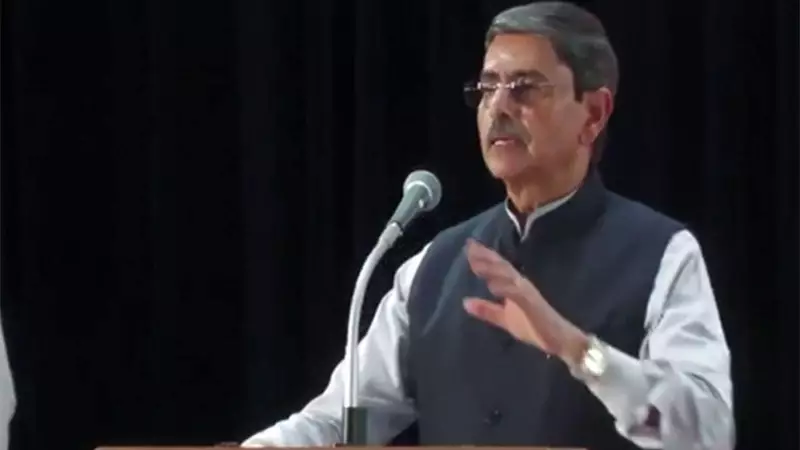
Governor R N Ravi of Tamil Nadu made headlines by refusing to read any part of the customary Legislative Assembly address prepared by the state government. This marked the fourth consecutive time he has taken such action, with his office claiming the speech contained numerous "unsubstantiated claims and misleading statements." Instead of delivering the address, Governor Ravi chose to walk out of the Assembly session entirely.
In a parallel development, Kerala Governor Rajendra Arlekar took a different but equally controversial approach. While he did read portions of the prepared speech, he deliberately omitted sections that he perceived as being critical of the central government. These selective omissions have raised serious questions about gubernatorial overreach and political interference in state affairs.

Constitutional Provisions and Colonial Legacy
The constitutional basis for these special addresses comes from Article 176(1) of the Indian Constitution, which mandates that governors "shall" deliver a policy speech prepared by the state government. The use of the word "shall" indicates a mandatory obligation rather than a discretionary power.
This practice of special addresses represents a colonial hangover from British parliamentary traditions. The "speech from the throne" in Great Britain, where the monarch delivers a ministerial statement without personal responsibility, serves as the historical precedent. Since 1841, British constitutional convention has established that the sovereign cannot alter the speech prepared by ministers, a principle that Indian constitutional experts argue should apply equally to governors.
Federalism Under Threat
Legal scholars view these gubernatorial actions as acts of misfeasance that undermine India's federal structure. Governors are meant to function as constitutional facilitators who strengthen democratic principles, but recent events suggest they are increasingly acting as "political agents" of the central government.
In a parliamentary democracy, the real repository of power rests with the Council of Ministers headed by the Chief Minister, who are collectively accountable to the people. When governors alter or refuse to deliver government-prepared speeches, they effectively misuse their discretionary powers and erode the principles of cabinet government.
State-Specific Implications
The Kerala situation has particular significance regarding fiscal federalism. The omitted portions of Governor Arlekar's speech reportedly addressed concerns about central government pressure tactics in areas of tax devolution and Finance Commission grants. By concealing this information, critics argue the governor breached constitutional morality and denied Kerala citizens their right to understand federal process gridlocks.
In Tamil Nadu, Chief Minister M K Stalin has been vocal about securing greater state autonomy and has established a high-level committee to examine Centre-state relations, including the governor's role. Stalin has characterized the governor as behaving more like a "political gatekeeper" than a constitutional facilitator, highlighting the growing tension between state governments and appointed governors.
The Way Forward
Constitutional experts argue that if governors cannot work harmoniously with state ministries, the appropriate course of action would be resignation rather than constitutional breaches. The recent incidents have reignited debates about whether India should continue this colonial-era practice of having nominal heads deliver special addresses.

As India continues to evolve as a mature democracy, many observers believe it's time to reexamine and potentially reform gubernatorial roles and responsibilities to better align with contemporary federal principles and democratic values. The actions in Tamil Nadu and Kerala serve as a catalyst for broader discussions about constitutional conventions, federal balance, and democratic accountability in India's governance structure.