DH Deciphers: Governors' Tiff with Non-BJP Governments on Address and Constitutional Powers
The confrontation between Governors and non-BJP ruled State governments has escalated to a critical point, primarily over differences in the Governor's address to the State legislature. This ongoing dispute underscores deep-seated political tensions and raises important questions about the constitutional framework governing gubernatorial powers in India.
Constitutional Framework and Governor's Address
According to the Constitution of India, the Governor's address to the State legislature is a formal requirement that outlines the government's policies and legislative agenda. This address is typically prepared by the ruling State government and delivered by the Governor, who acts as the constitutional head. However, recent instances have seen Governors expressing reservations or making alterations to the address, leading to conflicts with non-BJP administrations.
Key Figures and Recent Developments
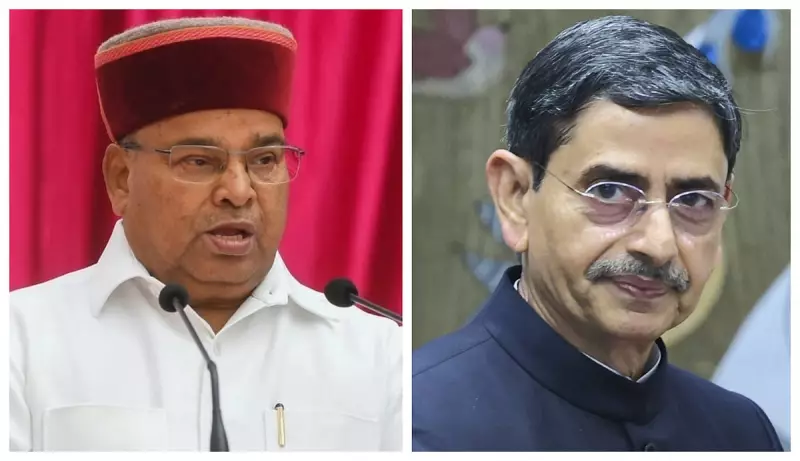
Notable figures involved in these disputes include R N Ravi, the Governor of Tamil Nadu, and Thaawar Chand Gehlot, the Governor of Karnataka. Their interactions with respective State governments have highlighted the delicate balance between gubernatorial discretion and executive authority. The confrontations often revolve around the content of the address, with Governors seeking modifications that align with their interpretations of constitutional duties.

Legal Perspectives on Governor's Powers
The law regarding Governor's powers is enshrined in Articles 153 to 162 of the Indian Constitution. Key aspects include:
- Executive Powers: The Governor appoints the Chief Minister and other ministers, but typically acts on the advice of the Council of Ministers.
- Legislative Powers: The Governor summons, prorogues, and dissolves the State legislature, and addresses it at the beginning of each session.
- Discretionary Powers: In certain situations, such as during a constitutional crisis, the Governor may exercise personal discretion, though this is limited and subject to judicial review.
In the context of the address, the Governor is expected to deliver the speech as prepared by the government, but disputes arise when Governors assert their right to modify or withhold parts of it, citing constitutional or ethical concerns.
Implications for State Governance
These confrontations have significant implications for State governance, including:
- Political Polarization: The tiff often reflects broader political divides between the central government, where the BJP holds power, and opposition-ruled States.
- Administrative Delays: Disputes over the address can delay legislative proceedings and policy implementation.
- Constitutional Clarity: The situation calls for clearer guidelines on the extent of Governor's powers to prevent frequent conflicts.
Conclusion
The ongoing tiff between Governors and non-BJP State governments over the address issue is a complex interplay of constitutional law and political dynamics. As these disputes continue to unfold, they highlight the need for a balanced approach that respects both gubernatorial roles and democratic mandates. Understanding the legal framework is crucial for navigating these tensions and ensuring smooth State governance in India.