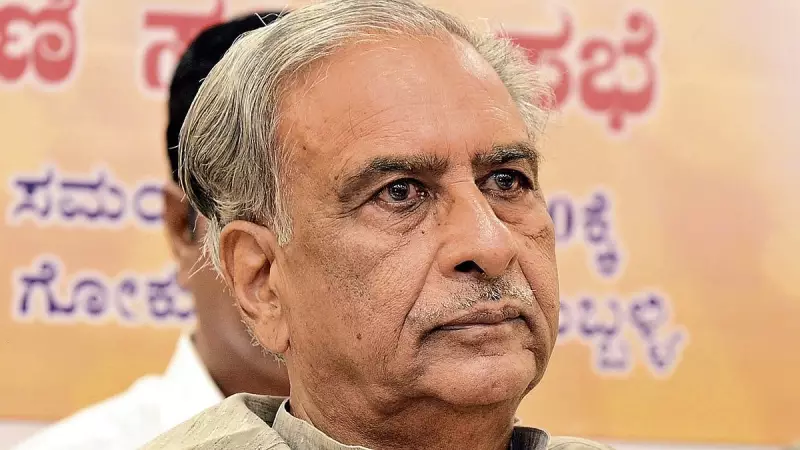
In a significant statement highlighting the constitutional framework of India's parliamentary system, Basavaraj Horatti, the Chairman of the Karnataka Legislative Council, has underscored the strict limitations placed on the Governor's role during official addresses. Citing the specific provisions of Article 176 of the Indian Constitution, Horatti emphasized that the Governor is bound by law to read the speech exactly as drafted by the state government, without any modifications.
Constitutional Mandate on Governor's Speech
Horatti elaborated on the legal obligations, stating, "Leave alone dropping a few lines, the Governor cannot add or delete a single word from the speech drafted by the state government." This clarification comes amid ongoing discussions about the powers and responsibilities of constitutional heads in India's federal structure. The statement reinforces the principle that the Governor acts as a ceremonial figurehead in such contexts, with the elected government holding the substantive authority to shape policy announcements.
Implications for State Governance
The assertion by Horatti sheds light on the delicate balance of power between the central and state governments, as outlined in the Constitution. It serves as a reminder that while the Governor is appointed by the President, their functions in legislative matters are largely procedural and must adhere to the directives of the state's council of ministers. This interpretation aims to prevent any potential overreach or political interference in the democratic process.

Historically, Article 176 has been a cornerstone in ensuring that the Governor's address to the legislature reflects the government's agenda, thereby maintaining transparency and accountability. Horatti's comments are timely, as they address misconceptions and reaffirm the constitutional safeguards designed to uphold the integrity of state administrations across India.
As debates around gubernatorial roles continue, this clarification from a senior legislative figure like Horatti provides valuable insight into the operational nuances of India's governance model, emphasizing adherence to constitutional norms above all else.