Fuel Duty Cut Ignites Political Firestorm in India
The Indian government has announced a significant reduction in excise duties on fuel, slashing the duty on petrol by Rs 3 per litre and completely exempting diesel from duty. This move, effective from March 27, 2026, aims to provide relief to consumers amid rising global energy prices, but it has quickly become a flashpoint in the nation's political landscape.
Opposition Slams Move as 'Late' and Opportunistic
Opposition parties have vehemently criticized the fuel duty cut, labeling it as belated and politically motivated. Leaders argue that the timing, just ahead of potential elections or key political events, suggests an attempt to gain electoral advantage rather than address long-standing economic concerns. They contend that the government should have acted sooner to mitigate the impact of fuel price hikes on the common people.
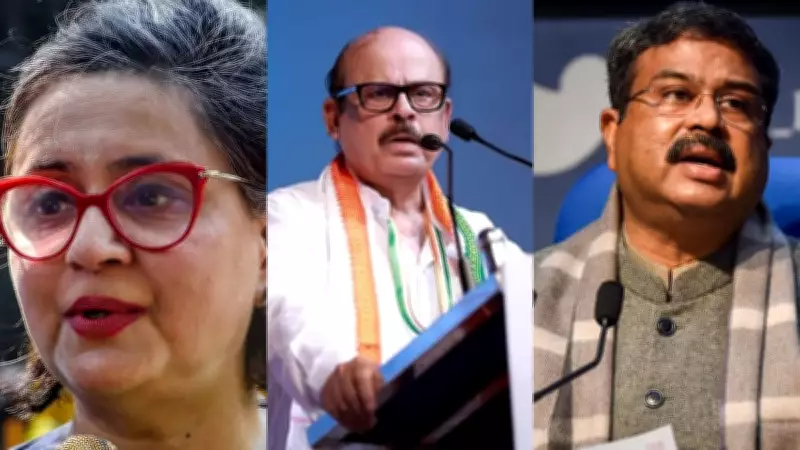
Prominent figures like Tariq Anwar and commentators such as Sagarika Ghose have echoed these sentiments, accusing the ruling party of opportunism. The opposition's stance highlights a broader narrative of governance and accountability, with calls for more proactive measures to stabilize fuel prices in the future.

BJP Defends Decision as Pro-Consumer Measure
In response, the Bharatiya Janata Party (BJP) has staunchly defended the fuel duty cut, portraying it as a necessary step to ease the financial burden on citizens. Senior leaders, including Dharmendra Pradhan, have emphasized that the reduction is part of the government's ongoing efforts to manage inflation and support economic growth. They argue that global factors, such as conflicts in West Asia, have contributed to volatile oil markets, making timely interventions crucial.
The BJP asserts that this move demonstrates their commitment to public welfare, countering opposition claims by pointing to previous initiatives aimed at fuel price stabilization. They stress that the duty cut will directly benefit households and businesses reliant on petrol and diesel for transportation and operations.
Implications for Indian Economy and Politics
The fuel duty cut has far-reaching implications, sparking debates on several fronts:
- Economic Impact: The reduction is expected to lower fuel costs, potentially curbing inflation and boosting consumer spending. However, it may also affect government revenue from excise duties, raising questions about fiscal management.
- Political Ramifications: This issue has intensified the rivalry between the BJP and opposition parties, with both sides leveraging it to sway public opinion. It underscores the role of fuel prices as a key factor in Indian electoral politics.
- Global Context: Ongoing geopolitical tensions, such as wars in regions like West Asia, continue to influence global oil prices, making domestic policy adjustments a complex challenge for the government.
As the debate unfolds, analysts predict that this move will remain a contentious topic, shaping discussions on governance, economic policy, and political strategy in the coming months. The public's response to the duty cut will likely play a pivotal role in determining its long-term effectiveness and political fallout.