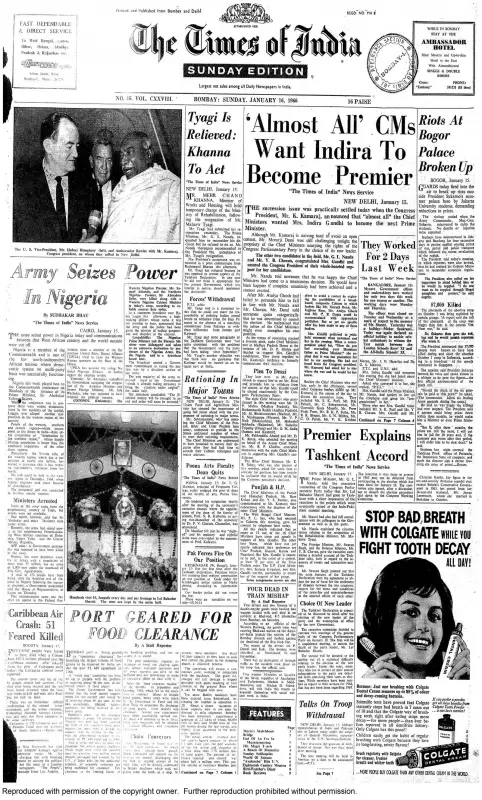
Fear and Fealty: The Untold Story Behind India's First Woman PM's Election
A recent examination sheds light on the intricate factors that propelled India's first woman prime minister into power. This analysis delves into the roles of fear and fealty, suggesting they were pivotal in her historic election.
The Political Landscape of the Time
During that era, India's political scene was marked by significant turmoil and transition. The nation faced numerous challenges, including economic instability and social unrest. In this context, the election of a woman as prime minister was a groundbreaking event.
Many observers have long speculated about the forces at play behind her rise. Some argue that fear among party members and the public played a crucial role. Others point to deep-seated loyalty within political circles as a key driver.

The Role of Fear in the Election
Fear, according to this analysis, manifested in several ways. Party insiders may have feared the consequences of opposing her candidacy. There was also a broader societal fear of instability if traditional power structures were challenged.
This fear created a climate where support for her election became almost inevitable. It pushed individuals and groups to align with her, even if they had reservations. The analysis suggests that this dynamic helped consolidate her position swiftly.
Fealty and Loyalty as Catalysts
Fealty, or unwavering loyalty, was another critical factor. Many within the political establishment owed their careers to her family or party lineage. This sense of obligation translated into strong backing during the election process.
Loyal supporters worked tirelessly to ensure her victory. They mobilized resources and rallied voters, leveraging personal and political connections. This network of fealty provided a solid foundation for her campaign.
Implications for Indian Politics
The election of India's first woman prime minister set a precedent for future leaders. It demonstrated how fear and loyalty could shape political outcomes in a democracy. This event continues to influence discussions about gender and power in India.
Understanding these dynamics offers valuable insights into the complexities of Indian politics. It highlights the interplay between personal allegiances and broader societal pressures. This analysis encourages a deeper look at how leaders emerge in challenging times.
Conclusion
The story of India's first woman prime minister's election is more than a historical footnote. It is a tale of fear, fealty, and political strategy. By examining these elements, we gain a clearer picture of a pivotal moment in India's democratic journey.
This analysis reminds us that leadership often arises from a mix of calculated moves and emotional currents. It underscores the enduring impact of that election on the nation's political landscape.