The issue of sacrilege in Punjab has long been a sensitive and divisive topic, intertwining religious sentiments with political maneuvering. Recent incidents have once again brought to the fore the deep-seated fears and faith-based reactions that define the region's discourse. This article delves into the multifaceted nature of the sacrilege debate, examining how it impacts communal harmony, political alliances, and the everyday lives of Punjab's citizens.
The Historical Context of Sacrilege in Punjab
Punjab has a history of sacrilege incidents that date back decades, but the frequency and intensity have escalated in recent years. The desecration of the Guru Granth Sahib, the holy scripture of Sikhism, has sparked widespread outrage and protests. These events are not merely acts of vandalism; they strike at the core of Sikh identity and faith. The emotional and psychological impact on the community is profound, often leading to calls for swift justice and even retaliatory violence.
Political Exploitation of Sacrilege
Political parties in Punjab have not been immune to exploiting these incidents for electoral gain. The sacrilege debate has become a tool for mobilizing voters along religious lines, with each party accusing the other of either being soft on perpetrators or using the issue to stoke fear. This politicization has further polarized the electorate, making it difficult to address the root causes of sacrilege. The demand for a special investigation team (SIT) and the appointment of a special prosecutor are often met with political resistance, as parties seek to control the narrative.

Fear and Its Consequences
The fear of sacrilege extends beyond the immediate act of desecration. It creates an atmosphere of suspicion and mistrust among different communities. In some cases, false allegations of sacrilege have been used to settle personal scores or incite communal tension. The fear of being branded as anti-Sikh or anti-Punjab has led to self-censorship among intellectuals and journalists, stifling open debate. Moreover, the fear of violence has forced many to conform to rigid interpretations of faith, limiting the space for progressive thought within Sikhism.
Faith as a Unifying Force
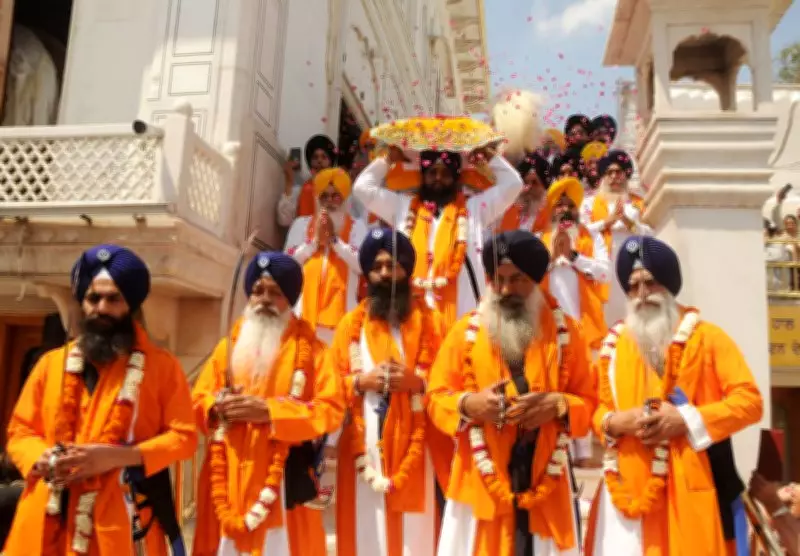
Despite the negative aspects, faith has also been a source of strength and unity for many Punjabis. The response to sacrilege often involves mass gatherings at gurdwaras, where prayers and calls for peace are made. Religious leaders have played a crucial role in calming tensions and advocating for non-violent protests. The emphasis on the core tenets of Sikhism, such as equality and justice, has helped to channel anger into constructive dialogue. Faith, in this sense, becomes a double-edged sword—it can both inflame and heal.
The Role of the State
The Punjab government has faced criticism for its handling of sacrilege cases. Accusations of political interference in investigations and a lack of transparency have eroded public trust. The state's response has often been reactive rather than proactive, with measures such as increased police presence and curfews being implemented only after violence erupts. There is a growing demand for a comprehensive policy that addresses both the prevention of sacrilege and the fair prosecution of offenders. The establishment of a dedicated task force and the use of modern surveillance technology are among the suggestions put forward by experts.
Community Initiatives and Grassroots Efforts
At the grassroots level, various community organizations have taken steps to foster interfaith dialogue and promote mutual respect. Initiatives such as shared cultural events and educational programs aim to break down stereotypes and build bridges between different religious groups. These efforts, though often overshadowed by sensational headlines, are crucial for long-term peace. The involvement of youth in these initiatives is particularly encouraging, as they represent the future of Punjab's social fabric.

Conclusion
The sacrilege debate in Punjab is a complex issue that cannot be reduced to simple binaries of good versus evil. It is a reflection of deeper societal anxieties, political opportunism, and the enduring power of faith. To move forward, all stakeholders—political leaders, religious authorities, and civil society—must engage in honest and open dialogue. The goal should not be to eliminate fear entirely, but to manage it in a way that does not undermine the fundamental values of justice and coexistence. Only then can Punjab truly heal from the wounds inflicted by sacrilege.