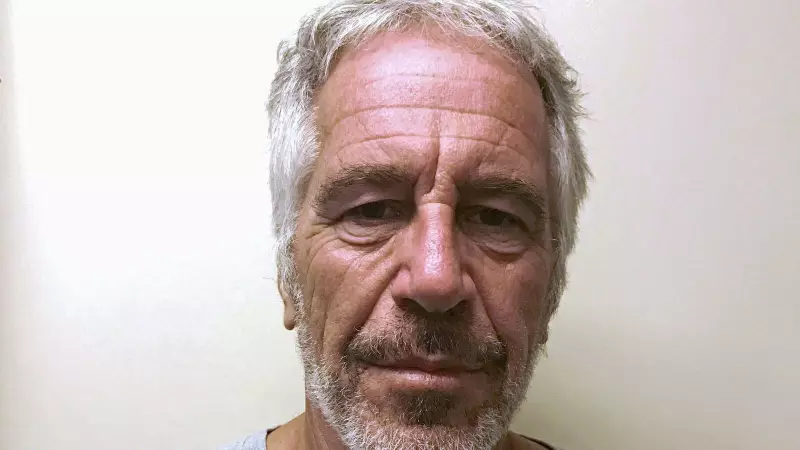
In a stunning revelation, thousands of pages of private correspondence have exposed the deep ties between the world's most powerful individuals and the late, convicted sex offender Jeffrey Epstein. The documents, released by the House Oversight Committee, paint a disturbing picture of a man who remained a central figure in elite circles long after his criminal conviction.
The Unsealed Correspondence: A Web of Power
The committee made public an extraordinary cache of over 23,000 pages of records obtained from Epstein's estate. This treasure trove of information includes emails and text messages that span a decade, from 2009 until the day before his arrest in July 2019. CNN's analysis of approximately 2,200 email threads found that at least 740 were direct exchanges between Epstein and prominent figures from academia, government, media, and business.
What makes these communications so shocking is that they continued unabated even after Epstein's 2008 conviction for soliciting prostitution from a minor, which required him to register as a sex offender. The emails reveal that many of his powerful pen-pals not only maintained contact but actively sought his guidance, particularly on how to navigate and avoid their own potential sexual scandals.

Epstein's Role as Advisor and Confidant
The messages show Epstein relishing his role as an insider, especially regarding his one-time friendship with Donald Trump. As Trump rose to political power, Epstein offered sharp opinions on everything from the president's sanity—which he described as "f***ing crazy"—to who should be appointed to his Cabinet.
Perhaps more revealing are his exchanges with Larry Summers, the former president of Harvard University and US Treasury secretary. Their correspondence shows a friendly, advisory relationship. In one instance from November 2018, Summers forwarded an email from a woman he was romantically interested in, seeking Epstein's counsel on how to respond. Epstein replied, "she's already beginning to sound needy :) nice."
Even after the Miami Herald's 2019 investigation publicly detailed Epstein's abuse of underage girls, Summers and Epstein continued their email exchanges. They debated whether Summers should message a woman back, with Epstein advising that a note would be "BAD FORM," arguing that it would demonstrate a lack of care.
Brokering Influence and Political Chatter
Epstein's influence extended beyond personal advice to actively brokering connections among the global elite. In November 2016, at Epstein's urging, Summers agreed to meet with Karim Wade, the son of the former president of Senegal. Summers described his approach as, "Always quiet advice to anybody who can use it. Try always discreet."
The emails also captured their political discussions. In October 2016, Epstein commented on Trump's strategy of bringing women who had accused Bill Clinton of abuse to a debate with Hillary Clinton. He called the tactic "disgraceful." Summers replied, "Press is so revolted by trump that I'd expect they will not be for benefit of doubt."
The released records also include communications with other figures not named in unredacted emails, such as text messages exchanged with Democratic Representative Stacey Plaskett during a 2019 Congressional hearing. Plaskett later told CNN that Epstein was a constituent and described him as "a reprehensible person, absolutely disgusting."
Epstein's story ended when he died in a Manhattan jail cell in 2019 while awaiting trial on federal sex trafficking charges. However, the release of these emails ensures that the full extent of his corrupting influence on American society continues to be uncovered, revealing a network of power that remained loyal to a known predator.