Supreme Court Hears Allegations of Obstruction in ED Raids on I-PAC
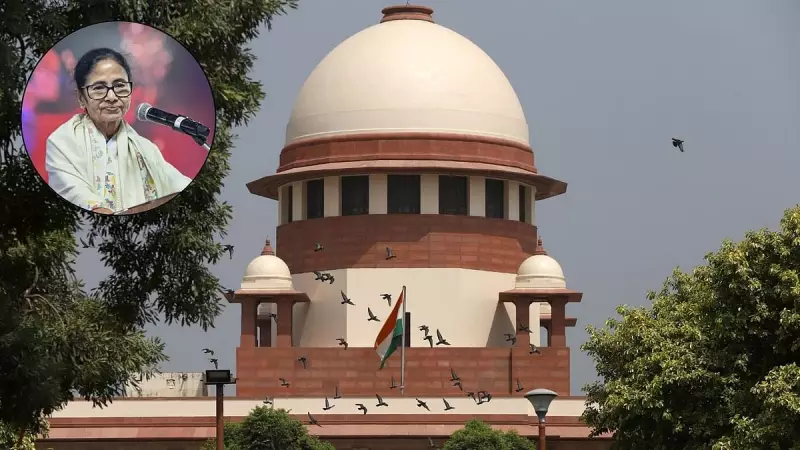
The Supreme Court of India recently heard serious allegations from Solicitor General Tushar Mehta regarding Enforcement Directorate (ED) raids on the Indian Political Action Committee (I-PAC). Mehta claimed that aides of West Bengal Chief Minister Mamata Banerjee obstructed these raids in a dramatic fashion.
Claims of Theft and Dharna Tactics
Solicitor General Tushar Mehta presented a detailed account to the Supreme Court. He alleged that individuals linked to the West Bengal Chief Minister committed theft during the ED raids on I-PAC offices. According to Mehta, these aides not only stole documents but also staged a dharna, or sit-in protest, to block the enforcement actions.
Mehta emphasized that this obstruction hindered the ED's investigation into potential financial irregularities. The raids were part of a broader probe into I-PAC, a political consultancy firm known for its work with various parties, including the Trinamool Congress in West Bengal.

Context of the ED Investigation
The Enforcement Directorate has been conducting raids on I-PAC as part of a money laundering investigation. I-PAC, founded by political strategist Prashant Kishor, has been instrumental in election campaigns across India. The ED's focus is on alleged violations of foreign exchange laws and other financial crimes.
West Bengal has been a hotspot for political tensions, with frequent clashes between state authorities and central agencies like the ED. This case adds to the ongoing legal and political battles in the region.
Legal Proceedings and Implications
The Supreme Court hearing marks a critical juncture in this high-profile case. Mehta's allegations, if proven, could lead to serious legal consequences for those involved in obstructing the raids. The court is expected to examine evidence and testimonies to determine the validity of these claims.
Legal experts note that obstruction of ED raids is a punishable offense under Indian law. It can result in imprisonment and fines, highlighting the gravity of the situation.
Reactions and Next Steps
Political observers are closely watching this development. Supporters of the West Bengal government have dismissed the allegations as politically motivated. They argue that the ED raids are part of a larger pattern of harassment by central agencies against opposition-ruled states.
Meanwhile, the Supreme Court has scheduled further hearings to delve deeper into the matter. The outcome could have significant implications for the relationship between state and central governments in India.
As the legal battle unfolds, all eyes are on the Supreme Court's final decision. It will not only impact the individuals involved but also set a precedent for future interactions between law enforcement agencies and political entities.