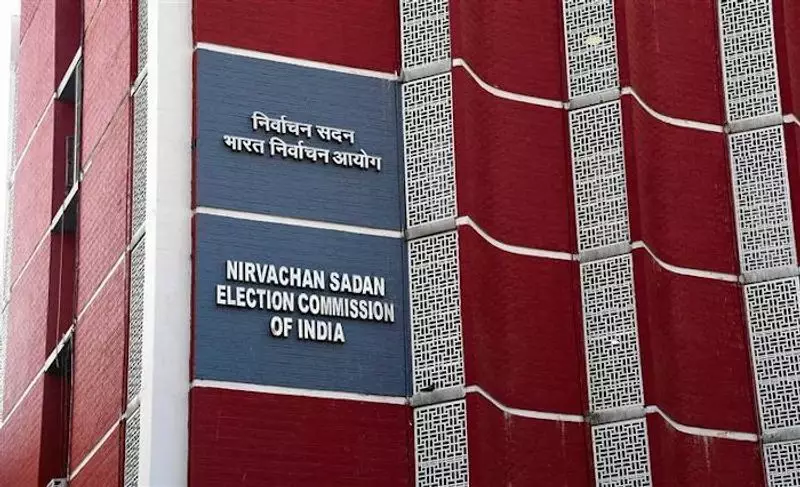
The Election Commission of India has taken a firm stance against the reliance on foreign court verdicts, particularly those from the United States, in domestic legal proceedings. This position emerges amidst ongoing debates about the influence of international judicial decisions on Indian electoral and political matters.
EC's Opposition to US Court Verdicts
In a significant development, the Election Commission has formally expressed its opposition to the practice of citing US court judgments in Indian cases. The commission argues that such reliance can undermine the sovereignty and independence of India's legal system. This move highlights the EC's commitment to upholding the integrity of domestic judicial processes without external interference.
Trump's Venezuelan President Capture as a Case Study
To bolster its argument, the Election Commission referenced a controversial incident involving former US President Donald Trump. The commission pointed out that Trump's administration captured the Venezuelan president without adhering to due process, a move that has been widely criticized internationally. This example serves as a cautionary tale about the potential risks of following foreign legal precedents that may not align with democratic principles and human rights standards.
Implications for Indian Legal Framework
The EC's stance has sparked discussions among legal experts and policymakers in India. By opposing the reliance on US verdicts, the commission aims to reinforce the importance of due process and fair trial within the Indian context. This position is seen as a step towards strengthening the country's judicial autonomy and ensuring that legal decisions are made based on domestic laws and constitutional provisions.
Broader Context of International Legal Influence
This issue is part of a larger global conversation about the influence of powerful nations' legal systems on other countries. The Election Commission's reference to Trump's actions in Venezuela underscores the complexities and potential pitfalls of cross-border judicial reliance. It raises questions about how nations balance international legal norms with their own sovereignty and legal traditions.
In conclusion, the Election Commission of India's opposition to relying on US court verdicts, illustrated by the example of Trump's capture of the Venezuelan president without due process, marks a pivotal moment in the discourse on legal sovereignty. This stance is likely to influence future legal and electoral policies in India, emphasizing the need for robust domestic judicial mechanisms.