DRDO Chief Flags Critical Risks of Foreign Dependence in Defence Sector
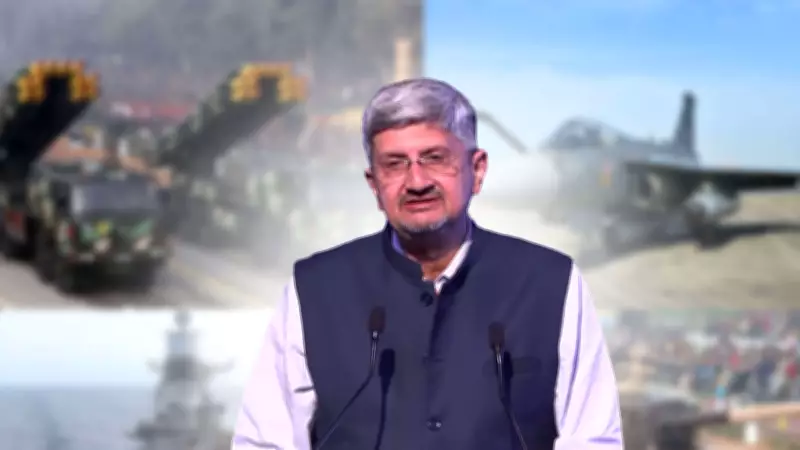
India cannot achieve true defence technology leadership if it continues to depend on foreign partners for critical technologies, according to a stark warning from Defence Research and Development Organisation (DRDO) Chairman Samir V. Kamat. Speaking at a high-level defence seminar, Kamat emphasized that this reliance creates a fundamental structural disadvantage for the nation's strategic capabilities.
Built-In Technological Lag from Import Dependence
Kamat highlighted a crucial pattern in international defence technology sharing. Advanced nations typically transfer technology only after it has already been deployed within their own systems and, in many cases, after it has been surpassed by newer innovations. This practice creates what Kamat described as a "built-in lag" for countries that depend on external sources, severely limiting their ability to emerge as global leaders in defence technology.
The DRDO chief explained that this technological delay isn't merely about procurement timelines but represents a deeper strategic vulnerability. When nations rely on imported technologies, they inevitably operate systems that are already outdated compared to what the exporting country possesses, putting them at a perpetual disadvantage in military preparedness and innovation cycles.

Critical Bottleneck Between System Development and Material Innovation
Beyond the issue of technology transfer, Kamat identified another significant challenge: a growing mismatch between the pace of military system development and material innovation. While modern military platforms and weapons systems evolve at an accelerating rate, the advanced materials that enable these systems often take substantially longer to develop and perfect.
"This creates a critical bottleneck in our defence manufacturing ecosystem," Kamat noted during his address. The materials gap means that even when countries develop innovative system designs, they may lack the specialized materials needed to bring those designs to their full potential, further complicating efforts toward self-reliance.
Vulnerability in Raw Material Supply Chains
Adding another layer of concern, Kamat pointed to India's dependence on key strategic raw materials such as rare earth elements and tungsten. These materials are essential for numerous defence applications, from electronics and sensors to armor and munitions, yet their supply remains vulnerable to international market fluctuations and geopolitical tensions.
The DRDO chairman's analysis reveals a multi-faceted challenge:
- Dependence on foreign technology creates permanent technological lag
- Material innovation cannot keep pace with system development requirements
- Critical raw material supply chains remain vulnerable to external factors
- True self-reliance requires control over the entire value chain
The Path Forward: Full-Spectrum Self-Reliance
Kamat's central message was unequivocal: achieving defence self-reliance requires more than just assembling platforms from imported components. It demands comprehensive control over the entire value chain, from raw material extraction and processing to advanced technology development and rapid innovation capabilities.
The DRDO chief concluded that India must develop indigenous capabilities across all these areas simultaneously to overcome the structural disadvantages of foreign dependence. Only through such full-spectrum self-reliance can the nation truly emerge as a defence technology power capable of meeting its security needs without external constraints.
This call for accelerated indigenization comes at a crucial time as India seeks to strengthen its defence manufacturing ecosystem under various government initiatives aimed at reducing import dependence and building domestic capabilities in critical technologies and materials.