The Architects of India's Constitution: The Drafting Committee
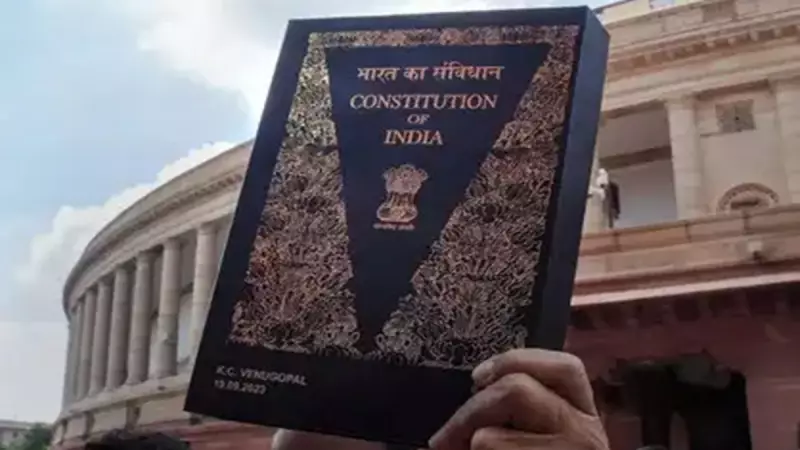
The Indian Constitution, a monumental document that established the world's largest democracy, was not the work of a single individual but the collective effort of a dedicated group of legal experts and scholars. This group, known as the Drafting Committee, was formed on August 29, 1947, by the Constituent Assembly of India. Their task was immense: to draft a constitution that would guide a newly independent nation with diverse cultures, languages, and religions.
Formation and Mandate of the Drafting Committee
The Constituent Assembly, which was elected to frame the Constitution of India, recognized the need for a specialized committee to handle the intricate process of drafting. The Drafting Committee was established with a clear mandate: to prepare a draft constitution for consideration. This committee worked under the overarching guidance of the Constituent Assembly, which debated and approved the final document.
The committee's work spanned from 1947 to 1949, during which they held numerous meetings, consulted various sources including constitutions of other countries, and incorporated feedback from the Constituent Assembly. Their efforts culminated in the adoption of the Constitution on November 26, 1949, which came into effect on January 26, 1950.

The Seven Members of the Drafting Committee
The Drafting Committee comprised seven distinguished members, each bringing unique expertise and perspectives to the table. Here is a detailed look at these visionaries:
- Dr. B.R. Ambedkar (Chairman): Often hailed as the "Father of the Indian Constitution," Dr. Ambedkar was a jurist, economist, and social reformer. As the chairman, he played a pivotal role in shaping the document, emphasizing principles of justice, liberty, equality, and fraternity. His leadership was instrumental in addressing social inequalities and ensuring fundamental rights for all citizens.
- N. Gopalaswami Ayyangar: A seasoned administrator and former Diwan of Jammu and Kashmir, Ayyangar contributed significantly to the drafting process. His experience in governance helped in framing provisions related to the Union and State governments, as well as emergency powers.
- Alladi Krishnaswami Ayyar: A renowned lawyer and jurist, Ayyar brought deep legal knowledge to the committee. He was involved in drafting key sections related to the judiciary and fundamental rights, ensuring the Constitution upheld the rule of law.
- Dr. K.M. Munshi: A lawyer, writer, and politician, Munshi was a versatile member who contributed to various aspects of the Constitution. He played a key role in drafting provisions related to cultural and educational rights, reflecting his commitment to India's heritage.
- Syed Mohammad Saadulla: As a representative from Assam, Saadulla provided insights into regional perspectives. He contributed to discussions on federal structure and minority rights, ensuring the Constitution addressed the concerns of diverse communities.
- B.L. Mitter: A legal expert, Mitter was involved in the initial stages of drafting but resigned due to health reasons. He was later replaced by N. Madhava Rao.
- D.P. Khaitan: Another legal luminary, Khaitan participated in the early drafting work. Unfortunately, he passed away during the process, and his place was taken by T.T. Krishnamachari.
It is important to note that after the resignations and deaths, N. Madhava Rao and T.T. Krishnamachari joined the committee, ensuring continuity in the drafting efforts. Krishnamachari, in particular, made notable contributions to the financial and economic provisions of the Constitution.
Legacy and Impact of Their Work
The Drafting Committee's work has left an indelible mark on India's democratic framework. The Constitution they crafted is not just a legal document but a living testament to the ideals of sovereignty, socialism, secularism, and democracy. Key features introduced by the committee include:

- Fundamental Rights: Ensuring individual liberties and protections against state oppression.
- Directive Principles of State Policy: Guiding the government in establishing a just society.
- Federal Structure: Balancing power between the Union and States.
- Independent Judiciary: Upholding the Constitution and protecting citizens' rights.
The committee's ability to synthesize diverse viewpoints and create a cohesive document is a testament to their visionary approach. Dr. B.R. Ambedkar's role, in particular, is celebrated annually on Constitution Day (November 26), honoring his contributions to social justice and constitutional morality.
In conclusion, the members of the Drafting Committee were more than just drafters; they were nation-builders who laid the foundation for modern India. Their collective wisdom, dedication, and foresight have ensured that the Indian Constitution remains a robust and adaptable framework, guiding the nation through decades of change and progress.