National Security Is Collective Duty: Ajit Doval Highlights Key People Power Amid 'New Awakening'
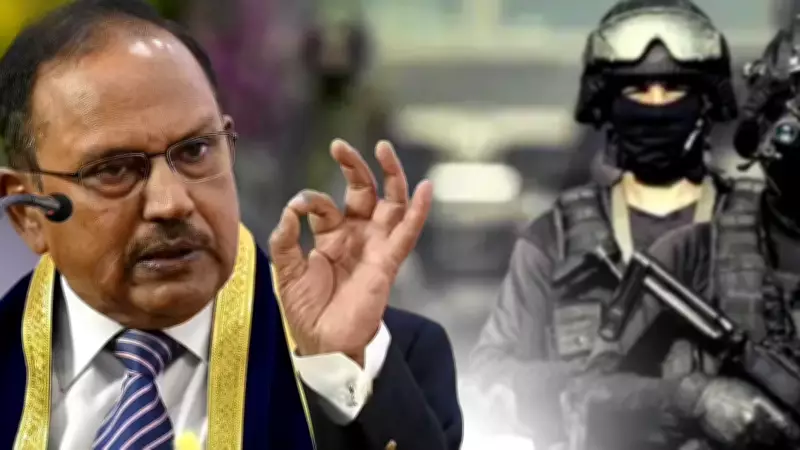
India's top security official, National Security Advisor Ajit Doval, has delivered a powerful message that is fundamentally reshaping the nation's approach to safety and strength. In a significant address, Doval declared that national security is now a collective responsibility, marking a profound shift from traditional force-centric strategies to a more inclusive, people-driven paradigm.
The New Awakening in Security Thinking
Doval described this transformation as a "new awakening" in how India perceives and practices security. He emphasized that morale and willpower can often determine outcomes more decisively than weapons or advanced technology alone. This philosophical shift comes at a critical juncture when security threats have evolved beyond physical borders to encompass digital domains.
The timing of this statement is particularly significant as President Droupadi Murmu has recently highlighted growing concerns about cybercrime and phishing attacks, illustrating how security challenges are becoming increasingly complex and multifaceted. These digital vulnerabilities require vigilance from every citizen, not just specialized security forces.

Institutional Support for Future Preparedness
In this evolving security landscape, institutions like Rashtriya Raksha University have gained unprecedented importance. These educational bodies are now crucial in shaping future preparedness by training professionals who understand both traditional and emerging security threats. Their role extends beyond conventional defense education to encompass cybersecurity, psychological resilience, and community engagement strategies.
Doval's address represents more than just a speech—it serves as a clear signal of changing priorities in national security policy. It is a direct call to action for citizens to remain alert, aware, and actively involved in protecting the nation's interests. This approach recognizes that security in the modern era cannot be maintained solely by government agencies but requires participation from all sectors of society.
The Broader Implications of Collective Security
The concept of collective security responsibility has several important implications:
- Enhanced public awareness about both physical and digital threats
- Greater cooperation between security agencies and civilian populations
- Development of community-based security initiatives
- Integration of security consciousness into everyday life and decision-making
This people-centric security model acknowledges that technological advancements and weapon systems, while important, are insufficient without strong societal support and individual commitment. Doval's message reinforces that national strength ultimately derives from the unity, vigilance, and resilience of its people.
As security challenges continue to evolve in complexity, this collective approach may prove essential for India's long-term stability and prosperity. The "new awakening" described by Doval represents not just a policy shift but a cultural transformation in how citizens perceive their role in national security.