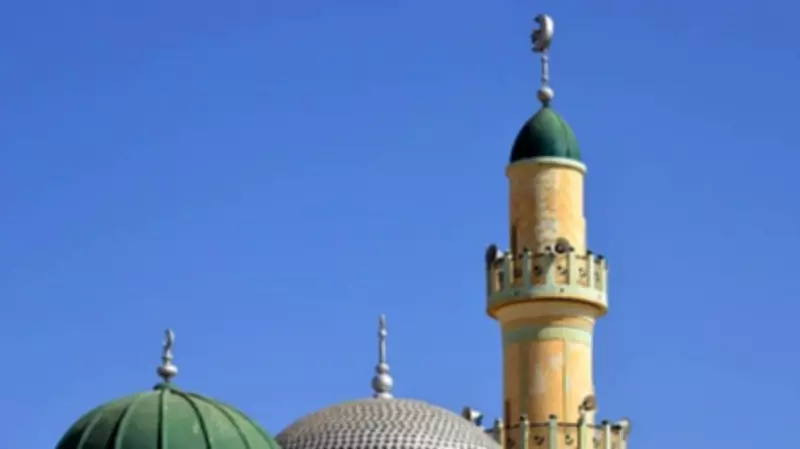
A fresh religious dispute has erupted in Uttar Pradesh's capital Lucknow, this time over the Kasmandi Mosque. The Pasi community has staked a claim that the mosque was originally a temple dedicated to Raja Kans. This development comes close on the heels of the ongoing controversy surrounding the Bhojshala complex in Dhar, Madhya Pradesh.
Historical Claims and Evidence
The Pasi community has relied on what it claims are reports from English gazetteers and local historical accounts. According to these sources, the name 'Kasmandi' is directly associated with Raja Kans, a figure from local lore. The community argues that the structure was originally a temple that was later converted into a mosque.
Community's Standpoint
Members of the Pasi community have demanded a thorough investigation into the site's history. They assert that the Kasmandi Mosque bears architectural features typical of Hindu temples, further strengthening their claim. The community has also called for the restoration of the temple if evidence supports their contention.

Government and Administration Response
The Uttar Pradesh government and local administration have taken note of the claims. Officials have stated that they will examine historical records and archaeological evidence before making any decisions. The situation is being closely monitored to prevent any law and order issues.
Broader Context
The Kasmandi dispute adds to a growing list of such controversies across India, where communities have sought to reclaim religious sites based on historical narratives. The Bhojshala case in Madhya Pradesh, currently under judicial review, has set a precedent that is being cited by various groups.
Local residents have expressed mixed reactions. Some support the community's claim, while others urge caution to maintain communal harmony. The administration has appealed for peace and patience as the matter is examined.