Digvijaya Singh Announces Rajya Sabha Exit, Congress Eyes Grassroots Revival
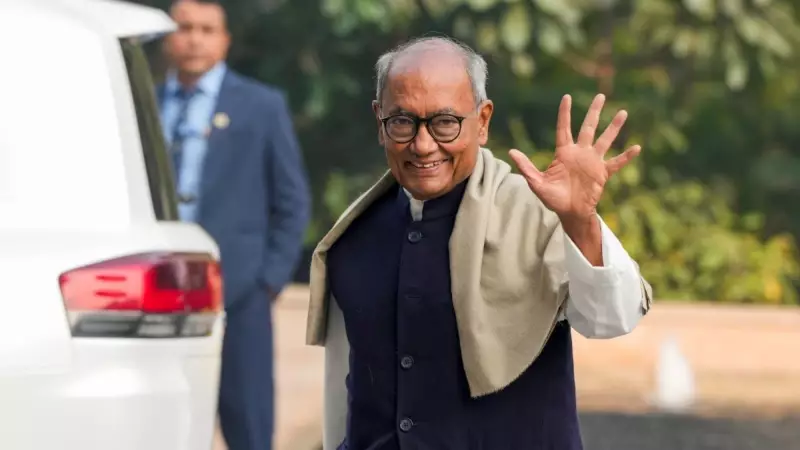
Veteran Congress leader Digvijaya Singh made a significant announcement on Tuesday. He declared he will not seek another term in the Rajya Sabha. This decision comes just weeks after his public remarks about the RSS sparked a political row.
The former Madhya Pradesh Chief Minister stated clearly, "I am vacating my seat." His move aligns with a broader strategy within the Opposition party to promote younger leadership across states.
Congress's Strategic Redeployment Plan
Senior Congress leaders familiar with internal discussions revealed the reasoning behind Singh's decision. They explained this forms part of Leader of Opposition Rahul Gandhi's vision for party rebuilding.

The plan involves deploying senior leaders with strong organizational skills to strengthen grassroots networks. Simultaneously, it creates opportunities for younger politicians to assume visible positions of responsibility.
One senior Congress leader commented, "Singh possesses considerable organizational heft. He will be dispatched to further strengthen the grassroots organization." The leader added that Singh might undertake another Narmada Parikrama before upcoming elections to energize young Congress workers.
Dalit Representation Request and Political Context
Earlier on Tuesday, Congress's state president for the Scheduled Caste wing, Pradeep Ahirwar, made a specific request to Singh. He urged the veteran leader to ensure Dalit representation in the Rajya Sabha.
Ahirwar referenced Singh's own recent comments about welcoming a person from the SC community becoming Madhya Pradesh Chief Minister someday. He stated, "Placing before you the expectations of Madhya Pradesh's approximately 17% Scheduled Caste population, I urge you to ensure representation from the SC category in the Rajya Sabha this time."
When questioned about this request, Singh responded that the matter was not in his hands, though he confirmed his seat would become vacant.
The Narmada Parikrama Legacy and Future Plans
Singh's previous 3,300-kilometer circumambulation of the Narmada River between 2017 and 2018 became a defining political moment in Madhya Pradesh. It helped energize the Congress party ahead of the closely contested 2018 Assembly elections.
Party functionaries suggest a second parikrama, timed strategically before the next Assembly elections, could serve multiple purposes. It would mobilize grassroots workers, mentor younger leaders, and create a unifying symbolic narrative for a state unit that has experienced fractures.
Daunting Challenges Await at Grassroots Level
If redeployed to strengthen Congress's grassroots network, Digvijaya Singh inherits a formidable task. The state Congress organization has been hollowed out after two decades in opposition.
Multiple challenges persist:
- Dormant booth committees across constituencies
- Persistent factional rifts within the party
- Significant resource constraints
- Lingering effects of 2020 defections that cost the party MLAs
- Damaged worker morale following previous setbacks
Ideological Battles and Recent Controversies
Throughout his Rajya Sabha tenure, Singh remained combative on ideological fronts. He frequently engaged in verbal battles with both the RSS and the BJP.
His willingness to confront Hindutva politics directly earned him admirers among secular and progressive circles. However, it also made him a lightning rod for controversies.
Last month, Singh surprised many when he praised the organizational strength of both the BJP and RSS. He specifically noted Narendra Modi's rise from an ordinary party worker to Prime Minister.
He followed these remarks by calling for decentralization of power within the Congress. He emphasized the need for strengthening the party's own organizational structure.
Singh later clarified his position, stating, "I am one of the bitterest critics of the RSS's ideology and the functioning of Narendra Modi and his policies." This clarification came after his earlier comments generated significant political discussion.

The veteran leader's transition from Parliament to potential grassroots mobilization represents a significant shift in Congress's strategy. It reflects the party's attempt to balance experienced leadership with opportunities for younger politicians while addressing organizational weaknesses in key states like Madhya Pradesh.