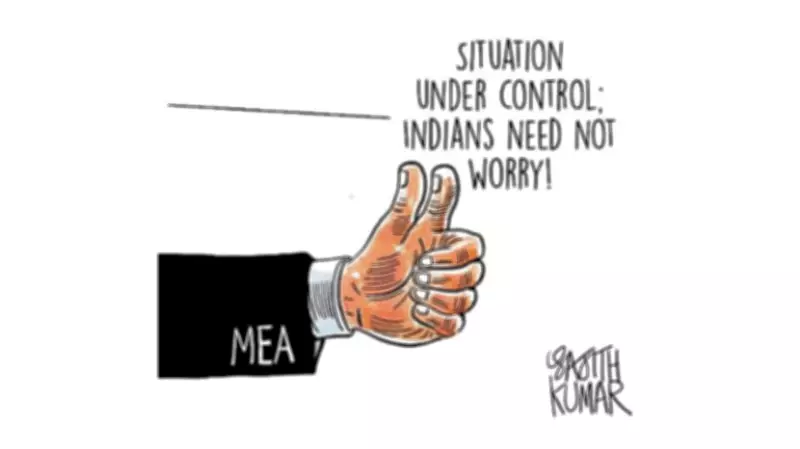
DH Toon: 'Situation Under Control' - A Satirical Masterpiece on Governance
Deccan Herald's editorial cartoon, titled 'Situation Under Control,' has recently gained attention for its incisive and humorous take on governance and public policy in India. This cartoon, part of the newspaper's long-standing tradition of political satire, uses visual wit to critique bureaucratic inefficiencies and the often-overconfident rhetoric of political leaders.
The Art of Satire in Editorial Cartoons
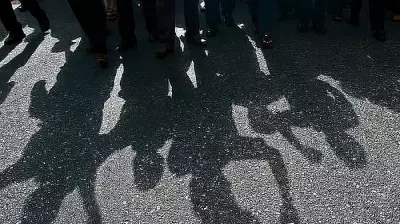
Editorial cartoons have long served as a powerful tool for social and political commentary, distilling complex issues into accessible and engaging visuals. 'Situation Under Control' exemplifies this by employing exaggerated characters and scenarios to mock the disconnect between official statements and ground realities. The cartoon likely depicts a chaotic scene, such as a crisis or public unrest, with a figure representing authority declaring that everything is under control, thereby highlighting the irony and absurdity in governance.
This approach not only entertains readers but also encourages critical thinking about current events. By using satire, Deccan Herald taps into a rich tradition of cartooning that dates back to publications like Punch and modern outlets, making it a relevant medium for discussing national politics and public policy.

Key Themes Explored in the Cartoon
The cartoon addresses several pressing themes in Indian governance:
- Bureaucratic Inefficiency: It likely portrays red tape and slow response times, symbolizing how administrative hurdles can exacerbate problems rather than solve them.
- Political Rhetoric: The phrase 'situation under control' is a common trope in political speeches, and the cartoon satirizes this by showing it in contrast to visible chaos, questioning the authenticity of such assurances.
- Public Perception: Through humor, it reflects public frustration with governance failures, making it relatable to a wide audience and sparking discussions on accountability.
These elements combine to create a poignant commentary that resonates with readers across demographics, from policymakers to everyday citizens. The cartoon's timing, often aligned with current events, adds to its relevance and impact.
The Role of Media in Political Discourse
Deccan Herald's use of cartoons like 'Situation Under Control' underscores the vital role of media in shaping political discourse. In an era of digital news and social media, editorial cartoons provide a quick, visual critique that can go viral, amplifying their message. This cartoon, for instance, might be shared widely on platforms like Twitter and Facebook, extending its reach beyond traditional print readers.
Moreover, such satire serves as a check on power by holding leaders accountable in a non-confrontational yet effective manner. It fosters a culture of questioning and debate, essential for a healthy democracy. By blending art with journalism, Deccan Herald contributes to a more informed and engaged public.
Impact and Reception of the Cartoon
The reception to 'Situation Under Control' has been positive, with readers praising its cleverness and timeliness. Cartoons like this often spark conversations online and offline, with people dissecting its symbols and messages. They can influence public opinion by highlighting issues that might be overlooked in text-based news reports.
In the broader context, editorial cartoons are a testament to press freedom and creative expression. They remind us that humor can be a potent weapon against complacency and injustice, making complex topics more approachable. As part of Deccan Herald's opinion section, this cartoon enriches the newspaper's coverage of national politics and governance.
Overall, 'Situation Under Control' is more than just a drawing; it's a reflection of societal concerns and a call for better governance. Through satire, it challenges readers to look beyond surface-level assurances and demand transparency and efficiency from their leaders.