Deccan Herald Cartoon Takes a Swipe at Political Influence
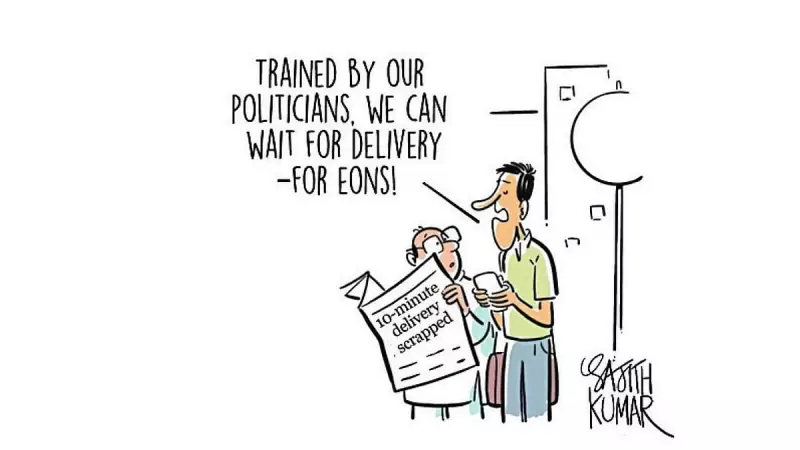
A recent cartoon published by Deccan Herald has caught the public's attention. It cleverly mocks the way politicians often train or influence public conversations. The artwork uses sharp satire to highlight a common perception in India.
Artwork Reflects Widespread Sentiments
Many people feel that political figures mold narratives to suit their agendas. This cartoon taps into that sentiment directly. It portrays politicians as trainers shaping public discourse like a performance.
The imagery is simple yet powerful. Viewers quickly grasp the message without needing complex explanations. This approach makes the cartoon accessible to a broad audience across India.

Reactions and Discussions Emerge
Since its publication, the cartoon has sparked varied reactions. Some readers applaud its bold critique of political rhetoric. Others see it as a timely reminder of media's role in society.
Key points from the discussion include:- How politicians use language to control public opinion.
- The role of satire in holding power accountable.
- Media's responsibility in presenting unbiased views.
These conversations are happening on social media and in casual talks. People are debating the state of political communication in the country.
Context in Indian Media Landscape
Indian media frequently features political cartoons. They serve as a tool for commentary and criticism. This Deccan Herald piece fits into a long tradition of satirical art.
However, it stands out for its direct approach. The cartoon does not shy away from naming the issue clearly. It points fingers at the training methods of politicians openly.
Observers note that such cartoons can influence public perception. They often simplify complex issues into understandable visuals. This makes them effective for sparking debate among ordinary citizens.Broader Implications for Democracy
The cartoon raises important questions about democracy in India. Healthy democracies thrive on open and honest discourse. When politicians train narratives, it can undermine this principle.
Citizens need to stay vigilant about political messaging. They should question the sources and intentions behind public statements. Satire like this cartoon helps in fostering critical thinking.
In summary, the Deccan Herald cartoon serves multiple purposes:- It entertains readers with its witty depiction.
- It critiques current political practices sharply.
- It encourages public reflection on media consumption.
The artwork reminds us that humor can be a powerful tool for social commentary. It challenges viewers to think deeper about the words they hear from leaders every day.