Delhi Chief Minister Protests with Black Armband, Criticizes Opposition on Women's Bill
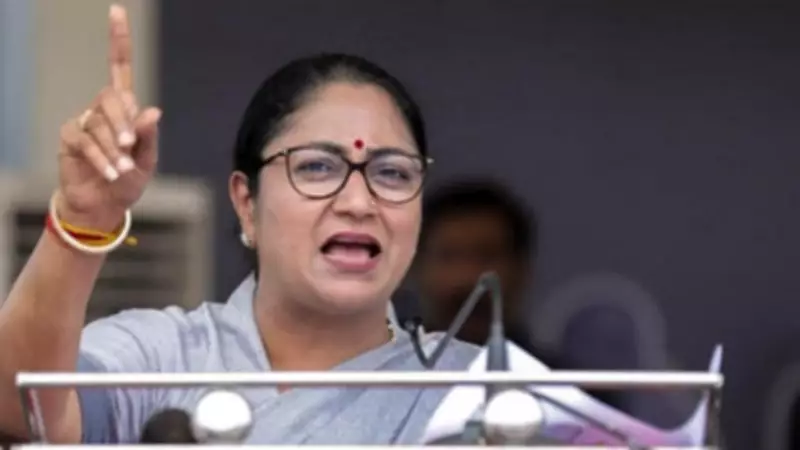
In a striking display of dissent, Delhi Chief Minister Gupta appeared wearing a black armband, launching a sharp critique against the Opposition for their stance on the Women's Reservation Bill. The symbolic gesture underscored his deep-seated frustration over what he described as persistent obstruction to women's empowerment in India.
Allegations of Repeated Obstruction by Congress and Allies
The chief minister did not mince words, asserting that this incident is not an isolated one. He claimed that the Congress party and its political allies have a history of blocking initiatives aimed at advancing women's rights. According to Gupta, their actions reveal a pattern that exposes their true intentions, suggesting a lack of genuine commitment to gender equality.
Gupta stated, "This is not the first time the Congress and its allies have stood in the way of women's empowerment. Their approach lays bare their real agenda, which seems to prioritize political maneuvering over substantive progress for women." His comments highlight a growing political rift over the long-pending Women's Reservation Bill, which seeks to reserve seats for women in legislative bodies.

Context and Implications of the Women's Reservation Bill
The Women's Reservation Bill has been a contentious issue in Indian politics for years, with debates centering on its implementation and impact. Gupta's protest comes amid renewed discussions in Parliament, where the bill faces opposition from various quarters. Supporters argue it is crucial for enhancing women's representation in governance, while critics raise concerns about its feasibility and potential effects on existing political structures.
Key points from the controversy include:
- The bill aims to allocate a significant percentage of seats for women in national and state legislatures.
- Opposition parties have expressed reservations, citing logistical challenges and the need for broader consensus.
- Proponents like Gupta view it as a vital step toward achieving gender parity in political decision-making.
Political Reactions and Future Outlook
Gupta's actions have sparked reactions across the political spectrum. While his supporters applaud the bold stance, Opposition leaders have dismissed the allegations as politically motivated. They argue that their concerns are based on practical considerations rather than an intent to hinder women's rights.
Looking ahead, the debate over the Women's Reservation Bill is likely to intensify, with implications for upcoming elections and policy-making. Gupta's protest serves as a reminder of the deep divisions on this issue, emphasizing the need for dialogue and compromise to move forward. As the political landscape evolves, the focus remains on whether this bill can overcome hurdles and become a reality, potentially reshaping India's governance for years to come.