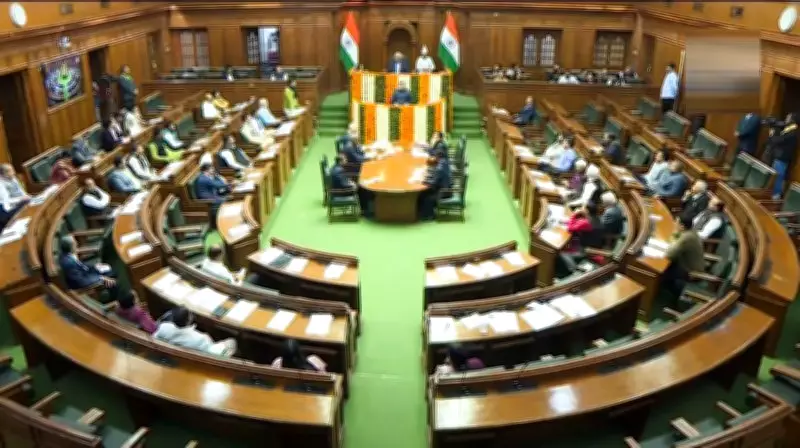
Delhi Assembly Imposes Strict July 31 Deadline for CAG Health Audit Action
The Delhi Legislative Assembly has taken a decisive step by setting a firm deadline of July 31, 2024, for the government to act on the findings and recommendations of a recent Comptroller and Auditor General (CAG) audit of health services in the national capital. This move underscores the assembly's commitment to enhancing transparency and accountability in the public healthcare sector, which has been under scrutiny for operational inefficiencies and resource management issues.
Audit Findings and Legislative Response
The CAG audit, conducted over the past year, revealed several critical areas requiring immediate attention in Delhi's health infrastructure. Key findings included discrepancies in fund utilization, gaps in service delivery, and lapses in maintaining medical equipment and supplies. In response, the assembly passed a resolution during a recent session, mandating that the Delhi government submit a detailed action plan by the end of July to address these audit points. This directive aims to ensure that corrective measures are implemented promptly to prevent further deterioration of healthcare services.
The assembly's decision reflects growing concerns over the state of public health facilities in Delhi, which serve millions of residents, including vulnerable populations. By enforcing this deadline, lawmakers seek to hold the administration accountable for improving patient care standards and optimizing resource allocation. The audit had highlighted instances where funds earmarked for health initiatives were either underutilized or misdirected, leading to suboptimal outcomes in hospitals and clinics across the city.

Implications for Governance and Public Health
This development is part of broader efforts to strengthen governance mechanisms in Delhi, where health has been a contentious issue amid political debates. The assembly's intervention signals a proactive approach to oversight, with members emphasizing that timely action on audit recommendations is crucial for restoring public trust. Experts note that such audits are vital for identifying systemic flaws and driving reforms, especially in a densely populated urban center like Delhi, where healthcare demands are high.
The July 31 deadline is not merely a procedural formality but a strategic move to accelerate improvements in health services. It requires the government to outline specific steps, such as upgrading infrastructure, enhancing staff training, and streamlining procurement processes. Failure to comply could lead to further legislative scrutiny or public backlash, given the assembly's role in monitoring executive actions.
Next Steps and Monitoring Mechanisms
To ensure compliance, the assembly has established a monitoring committee that will review progress reports submitted by the government. This committee will assess whether the action plan aligns with the CAG's recommendations and whether implementation is on track. Key focus areas include:
- Improving transparency in financial management within health departments.
- Addressing shortages of essential medicines and medical equipment.
- Enhancing the quality of care in government-run hospitals and primary health centers.
- Implementing digital solutions for better patient record-keeping and service delivery.
Stakeholders, including healthcare professionals and civil society groups, have welcomed this initiative, highlighting that it could lead to more efficient and equitable health services. However, they caution that sustained political will and adequate funding will be necessary to achieve lasting improvements. The assembly's deadline serves as a critical milestone in this ongoing effort to reform Delhi's healthcare landscape.