CPI(M) Issues Strong Demand for Hardeep Puri's Removal as Union Minister
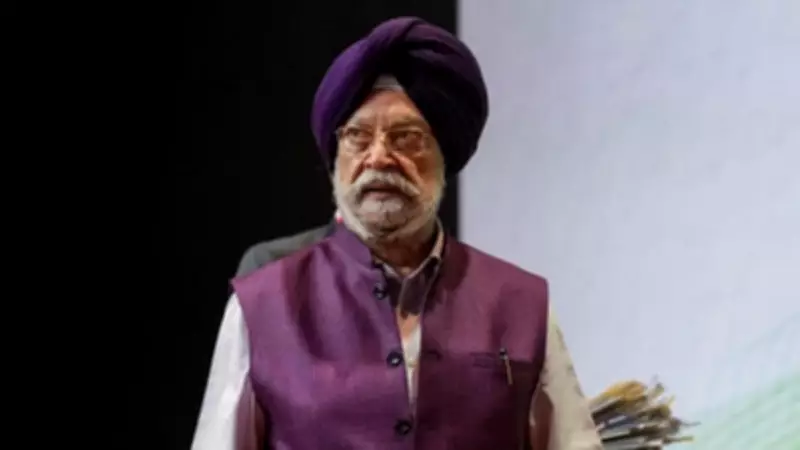
The Communist Party of India (Marxist), commonly known as CPI(M), has escalated its political stance by demanding the immediate removal of Hardeep Puri from his position as a Union Minister in the Indian government. This demand stems from allegations linking Puri to the controversial financier Jeffrey Epstein, whose criminal activities have sparked global scrutiny.
Polit Bureau's Categorical Statement on the Matter
In a recent statement, the CPI(M) Polit Bureau articulated its position with clarity and force. The party emphasized that, given the serious nature of the allegations, it is imperative for Prime Minister Narendra Modi to take decisive action. The statement explicitly stated that the Polit Bureau 'categorically demands' the Prime Minister remove Puri from the government, highlighting the urgency and gravity of the situation as perceived by the leftist party.
Background on the Alleged Links to Jeffrey Epstein
Jeffrey Epstein, a convicted sex offender and financier, has been at the center of numerous scandals involving high-profile individuals worldwide. The CPI(M) has raised concerns about Puri's alleged associations with Epstein, though specific details of these links have not been fully disclosed in the public domain. This has led to calls for transparency and accountability within the government, with the CPI(M) positioning itself as a watchdog against potential ethical breaches.
The demand comes at a time when political accountability is under intense scrutiny, and the CPI(M) is leveraging this issue to challenge the ruling administration's integrity. By calling for Puri's removal, the party aims to underscore its commitment to clean governance and moral leadership, principles that are central to its political ideology.
Implications for Indian Politics and Governance
This development could have significant ramifications for Indian politics, particularly in the context of ongoing debates about corruption and ethical standards in public office. The CPI(M)'s demand places pressure on the Prime Minister to address the allegations promptly, potentially influencing public opinion and political alliances. It also reflects broader tensions within the political landscape, where opposition parties are increasingly vocal about holding government officials accountable for their actions and associations.
As the situation unfolds, it remains to be seen how the government will respond to the CPI(M)'s demands. The outcome could set a precedent for how similar allegations are handled in the future, impacting the trust and confidence of the Indian populace in their elected representatives.