Court Directs ECI to Ensure Voter Roll Clean-Up Does Not Disenfranchise Genuine Citizens
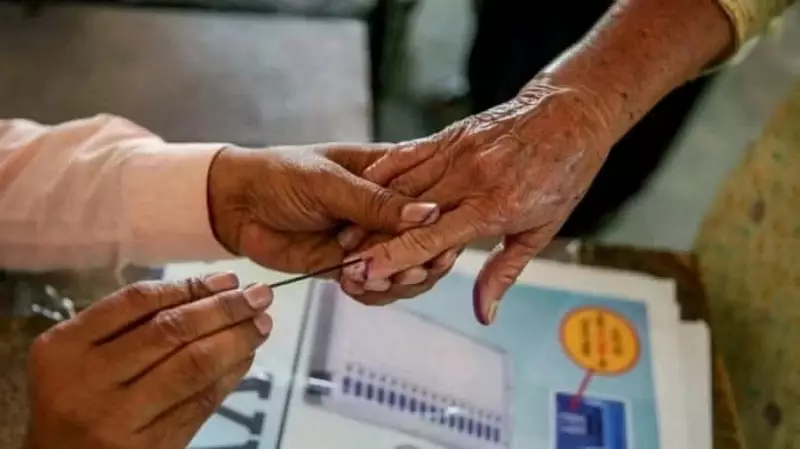
The Election Commission of India's ongoing initiative to clean up voter rolls has come under judicial scrutiny, with the Court emphasizing that the process must not inadvertently erase legitimate voters from the electoral lists. In a significant development, the judiciary has made strong observations on this critical matter, highlighting the need to balance administrative efficiency with the fundamental right to vote.
Judicial Intervention to Safeguard Voting Rights
The Court has issued clear directions aimed at easing the procedural hurdles faced by citizens who are struggling to respond to the ECI's queries regarding their voter registration. Many individuals, particularly from marginalized communities or those with limited access to digital resources, have found it challenging to navigate the complex requirements set forth by the election authorities. This has raised concerns about potential disenfranchisement during the clean-up drive.
The primary objective of the Court's intervention is to ensure that the voter roll purification exercise does not become a tool for excluding eligible voters. By streamlining the response mechanisms and making them more accessible, the judiciary seeks to protect the integrity of the electoral process while upholding democratic principles.

Simplifying Processes for Citizen Engagement
In its directives, the Court has mandated the Election Commission to implement more user-friendly procedures that allow people to confirm their details and address any discrepancies without undue hardship. This includes:
- Providing multiple channels for submission of responses, including offline options to cater to those in remote or digitally underserved areas.
- Extending deadlines and offering clearer guidelines to help voters understand the requirements and comply with them effectively.
- Ensuring transparency in the clean-up process so that citizens are adequately informed about the status of their voter registration and the steps needed to rectify issues.
These measures are designed to prevent the inadvertent removal of genuine voters who may face logistical or informational barriers in engaging with the ECI's verification processes.
The Broader Implications for Electoral Integrity
The Court's observations underscore a crucial aspect of democratic governance: while maintaining accurate and up-to-date voter rolls is essential for preventing fraud and ensuring fair elections, it must not come at the cost of disenfranchising legitimate participants. The balance between cleaning up duplicate or erroneous entries and safeguarding the voting rights of every eligible citizen is a delicate one that requires careful consideration.
This judicial stance reinforces the principle that electoral reforms should enhance inclusivity rather than create new barriers to participation. As India continues to refine its electoral machinery, such interventions play a vital role in upholding the sanctity of the democratic process and fostering greater public trust in the system.
The Election Commission, in response to the Court's directions, is expected to review and potentially revise its clean-up protocols to align with these directives. This development marks a pivotal moment in the ongoing efforts to strengthen India's electoral framework while ensuring that no genuine voter is left behind in the pursuit of administrative precision.