Congress Party Launches Scathing Attack on Modi Government Over Great Nicobar Development
The Indian National Congress has launched a sharp critique against the Narendra Modi-led central government, accusing it of showing complete indifference to critical environmental and tribal welfare issues in relation to the ambitious Great Nicobar Island development project. The opposition party asserts that the government's approach is making no positive difference, despite widespread concerns raised by various stakeholders.
Allegations of Government Apathy and Environmental Neglect
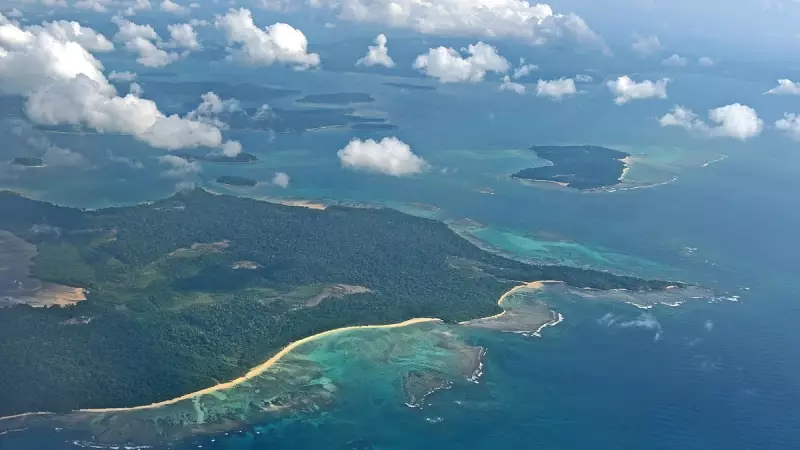
In a strongly worded statement, Congress leaders highlighted what they describe as the administration's failure to adequately address the potential ecological damage and displacement of indigenous communities. The party contends that the Modi government is proceeding with the project without proper consultation or consideration for the fragile ecosystem of the Andaman and Nicobar Islands. This development initiative, which includes plans for a transshipment port, an international airport, and a township, has been mired in controversy since its inception.
Environmental activists and local tribal groups have repeatedly voiced their apprehensions, warning that the project could lead to irreversible harm to biodiversity and the livelihoods of native populations. The Congress party has aligned itself with these concerns, arguing that the government's current policies are insufficient to mitigate these risks. They emphasize that sustainable development must balance economic growth with environmental preservation and social justice.

Political Implications and Broader Criticisms
This criticism from the Congress comes amid ongoing political tensions, as the party seeks to position itself as a defender of environmental and tribal rights ahead of future elections. The Great Nicobar project has become a focal point for opposition attacks, symbolizing what they view as the government's top-down and non-inclusive governance style. Congress spokespersons have called for greater transparency and a more participatory decision-making process, urging the administration to revisit the project's framework.
Key points raised by the Congress include:
- The alleged lack of comprehensive environmental impact assessments
- Insufficient measures to protect the rights and habitats of tribal communities
- Concerns over the project's alignment with India's climate commitments
- Calls for alternative, more sustainable development models
The party's stance reflects a broader narrative of holding the government accountable for its developmental policies, particularly in ecologically sensitive regions. As debates around the Great Nicobar project continue to unfold, this issue is likely to remain a contentious topic in India's political and environmental discourse.