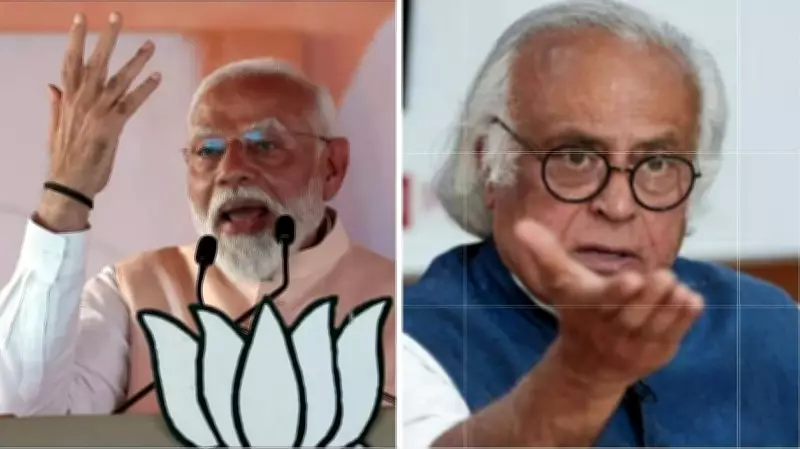
Congress Demands PM Modi's Apology to Indian Women Over Reservation Delay
The Indian National Congress has launched a sharp criticism against Prime Minister Narendra Modi, demanding a formal apology to the women of India for what they describe as a failure to implement women's reservation in legislative bodies. The political party alleges that the Prime Minister has deliberately delayed crucial administrative processes necessary for enacting the long-promised reservation policy.
Allegations of Deliberate Delay in Implementation
According to senior Congress leaders, Prime Minister Modi has made the implementation of women's reservation contingent upon the completion of two critical national exercises: the delimitation of constituencies and the national census. The Congress asserts that the Prime Minister's administration has failed to conduct these exercises in a timely manner, resulting in what they call "years of dithering" on the women's reservation issue.
The Congress claims this delay represents a betrayal of promises made to Indian women, who have been waiting for enhanced political representation through reserved seats in Parliament and state legislatures. The party argues that by linking reservation to processes that have been postponed indefinitely, the government has created an unnecessary obstacle to women's political empowerment.

Historical Context of Women's Reservation in India
The demand for women's reservation in Indian politics has been a longstanding issue, with various political parties making commitments over decades. The proposed legislation would reserve one-third of seats in the Lok Sabha and state legislative assemblies for women, potentially transforming the gender balance in Indian governance.
Congress leaders emphasize that their criticism focuses specifically on what they perceive as procedural delays rather than opposition to the principle of reservation itself. They point to historical precedents where similar administrative exercises were completed more efficiently under previous administrations.
Political Implications and Public Response
This demand for an apology comes amid ongoing political debates about women's representation and empowerment in India. The Congress party's statement represents a significant escalation in their criticism of the Modi government's approach to gender equality initiatives.
The controversy highlights several key issues in contemporary Indian politics:
- The technical requirements for implementing constitutional amendments
- The relationship between administrative processes and political commitments
- Growing public expectations regarding women's political participation
- The accountability mechanisms for delayed policy implementation
Political analysts suggest this development could influence upcoming electoral strategies, particularly regarding women voters who constitute approximately half of India's electorate. The Congress appears to be positioning itself as a champion of women's political rights while portraying the current administration as hesitant on delivering concrete results.
Government's Position and Future Prospects
While the Congress has made these allegations public, the government has yet to issue an official response to the specific demand for an apology. Previous statements from government representatives have emphasized the complexity of implementing women's reservation and the necessity of proper delimitation and census data to ensure fair representation across regions and communities.
The coming months may see increased political debate on this issue as various stakeholders assess:
- The technical feasibility of expediting delimitation and census exercises
- Alternative approaches to implementing women's reservation
- The potential electoral consequences of this controversy
- Broader implications for gender equality initiatives in India
As this political confrontation unfolds, the fundamental question remains whether administrative processes should delay substantive policy changes aimed at enhancing women's participation in India's democratic institutions.