Congress Leader Jairam Ramesh Mocks PM Modi's Unfulfilled Gas Promises
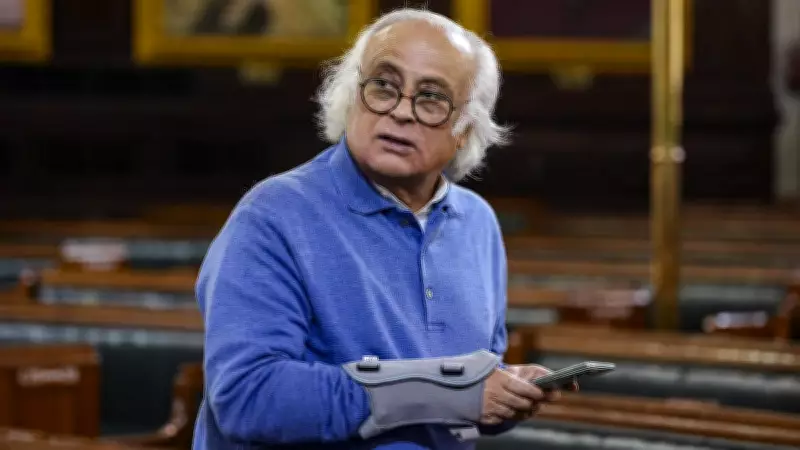
In a sharp political critique, Congress general secretary in-charge of communications Jairam Ramesh has taken to social media to lambast Prime Minister Narendra Modi's promises regarding gas supply and distribution. Ramesh posted on his official X account, stating, 'The gas grandly promised by Mr Modi has remained that -- gas.' This pointed remark underscores the ongoing political friction between the Congress party and the ruling BJP government over policy implementation and electoral pledges.
Context of the Criticism
The comment from Jairam Ramesh comes amid heightened scrutiny of the Modi administration's track record on delivering key infrastructure and welfare initiatives. Gas, as a critical resource for household energy and industrial use, has been a focal point in political debates, with the government touting schemes to enhance accessibility and affordability. However, opposition parties, including the Congress, have consistently accused the government of falling short on these commitments, leading to public dissatisfaction and economic strain.
Ramesh's statement is not an isolated incident but part of a broader narrative where the Congress has targeted the BJP over perceived failures in governance. By framing Modi's promises as mere 'gas'—a colloquial term for empty talk or hot air—the Congress aims to galvanize public opinion and highlight what they view as a gap between rhetoric and reality. This tactic is common in Indian politics, where symbolic language is often used to sway voter sentiment and challenge incumbent leadership.

Political Implications and Reactions
The dig from Jairam Ramesh is expected to resonate in the lead-up to upcoming elections, as both parties vie for dominance on national issues. Key points of contention include:
- Policy Implementation: Critics argue that while the government announces ambitious projects, execution lags, affecting sectors like energy and agriculture.
- Public Perception: Such statements aim to erode trust in the Modi government, positioning the Congress as a viable alternative focused on accountability.
- Media and Social Media Dynamics: Ramesh's use of X amplifies the message, leveraging digital platforms to reach a wider audience and spark discussions among netizens and political analysts.
As of March 27, 2026, the political landscape remains charged, with both sides preparing for intense campaigning. The Congress's strategy involves highlighting unfulfilled promises to undermine the BJP's credibility, while the government is likely to counter with data on achievements and progress in gas distribution networks. This exchange reflects the deep-seated rivalries that define Indian democracy, where every statement is scrutinized for its potential impact on electoral outcomes.
In summary, Jairam Ramesh's critique serves as a reminder of the high stakes in Indian politics, where promises are closely watched and accountability is demanded. The ongoing dialogue between the Congress and BJP over gas promises is set to influence public discourse and shape political narratives in the coming months.