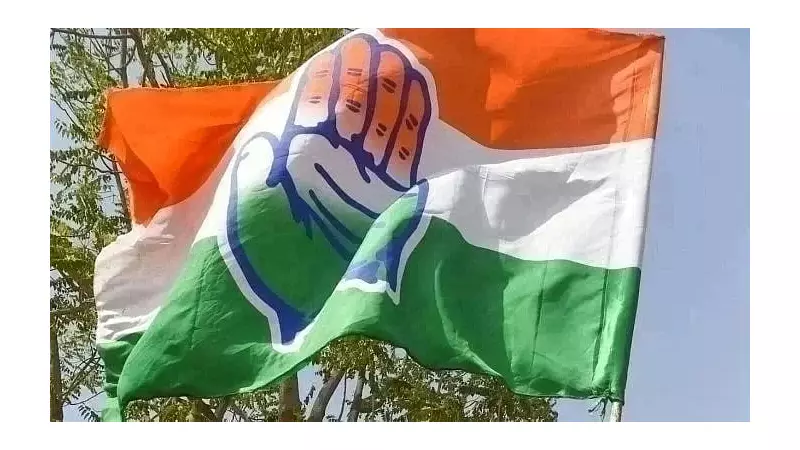
The Indian National Congress has declared a major offensive against the central government, launching a 45-day nationwide protest movement named the 'MGNREGA Bachao Sangram' (Save MGNREGA Struggle). This extensive campaign, announced on Tuesday, directly targets the Narendra Modi-led administration over what the opposition party calls systematic attempts to weaken the flagship rural employment guarantee scheme.
A Nationwide Agitation Against Fund Cuts and Delays
The protest program was officially unveiled by Congress General Secretary Jairam Ramesh. The campaign is a structured, phased agitation set to run for over a month and a half across the country. The core grievance fueling this movement is the alleged deliberate undermining of the Mahatma Gandhi National Rural Employment Guarantee Act (MGNREGA) by the Union government.
Congress leaders have leveled serious accusations, stating that the government has created an artificial fund crunch for the scheme. They claim this has led to massive delays in wage payments to millions of workers and a significant reduction in the number of person-days of employment generated. The party asserts that these actions violate the very legal framework of the Act, which guarantees 100 days of work per rural household.

The protest will be spearheaded by Congress president Mallikarjun Kharge, former chief Rahul Gandhi, and General Secretary Priyanka Gandhi Vadra, who will lead demonstrations and public engagements in various states. The agitation is scheduled to culminate in a massive rally in the national capital, Delhi, marking the end of the 45-day period.
Phased Strategy and Core Demands
The 'MGNREGA Bachao Sangram' is not a single event but a coordinated series of actions. The plan includes holding protests at the district and state levels, followed by a major convergence in Delhi. The Congress has outlined clear and specific demands that form the backbone of this movement.
Firstly, the party is demanding the immediate release of over Rs 3,000 crore in pending wage payments owed to workers under the scheme. This delay has caused severe distress for daily wage earners who depend on this income. Secondly, Congress is pushing for the removal of the so-called 'Aadhaar-based payment system' (ABPS), which it claims has resulted in the wrongful deletion of millions of legitimate workers from the system, denying them their right to work.
Furthermore, the opposition is demanding an increase in the budgetary allocation for MGNREGA to ensure adequate funding. They argue that the government's approach has shifted from promoting the scheme as a safety net to actively discouraging its use, thereby depriving rural households of a crucial lifeline.
The Political Battle Over Rural Welfare
This aggressive campaign signifies a strategic move by the Congress to corner the BJP government on the issue of rural distress and welfare. MGNREGA has long been a politically sensitive program, often hailed as a world's largest social security scheme. By launching this 'sangram' (struggle), the Congress aims to position itself as the primary defender of the rural poor and highlight what it frames as the government's anti-poor policies.
The timing of the protest is also critical, as it builds political momentum in the lead-up to key electoral battles. The Congress has linked its protest to broader issues of social justice and economic inequality, attempting to rally its base and attract wider public support. The party's narrative frames the struggle as not just about a government scheme, but about protecting the rights and dignity of India's rural workforce against a hostile central regime.
As the 45-day agitation unfolds, its impact on the political discourse and potential government response will be closely watched. The 'MGNREGA Bachao Sangram' sets the stage for a significant confrontation between the ruling party and the principal opposition on the critical terrain of rural employment and welfare governance.