Congress Slams PM Modi's Push for Special Parliament Session on Women's Quota Law Amendments
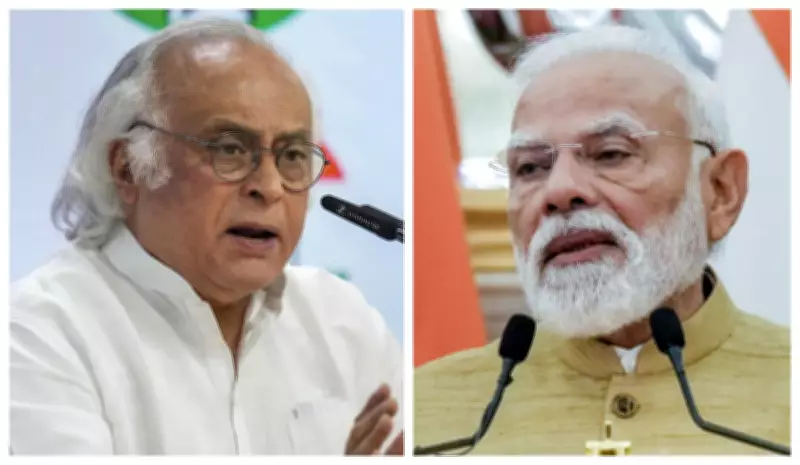
The Congress party has launched a sharp critique against Prime Minister Narendra Modi's recent advocacy for a special session of Parliament aimed at passing amendments to the women's quota law. In a strongly worded statement, the opposition party accused the government of executing a "U-turn" on this critical issue, highlighting what they perceive as inconsistencies in the ruling administration's approach.
Accusations of Inconsistency and Political Maneuvering
Congress leaders have pointed out that the push for a special session comes after years of what they describe as delays and lack of urgency from the government regarding the women's reservation bill. They argue that this sudden move is politically motivated, timed to influence public opinion ahead of upcoming elections rather than being driven by a genuine commitment to gender equality in legislative bodies.
The party emphasized that the women's quota law, which seeks to reserve seats for women in Parliament and state assemblies, has been a long-standing demand, and the government's previous inaction has undermined its credibility on this front.

Details of the Proposed Amendments and Special Session
Prime Minister Modi has called for the special session to expedite the passage of amendments to the existing women's quota legislation. These amendments are intended to address implementation hurdles and potentially expand the scope of reservation to ensure more effective representation for women in Indian politics.
Key aspects of the proposed changes include:
- Clarifying the timeline for implementing the quota.
- Introducing provisions to overcome legal and administrative challenges.
- Ensuring that the reservation applies uniformly across all states and union territories.
However, Congress has raised concerns about the transparency of the process, questioning whether the amendments will deliver substantive benefits or serve as a mere symbolic gesture.
Political Reactions and Broader Implications
The criticism from Congress has sparked a broader political debate, with other opposition parties also expressing skepticism about the government's intentions. Some have echoed the sentiment that this is an attempt to divert attention from other pressing national issues, such as economic challenges and social unrest.
On the other hand, supporters of the government argue that the special session demonstrates a renewed focus on women's empowerment and legislative reform. They contend that accelerating the women's quota law is a progressive step that aligns with global trends toward greater gender parity in governance.
As the controversy unfolds, it remains to be seen how this will impact parliamentary proceedings and public perception. The special session, if convened, could become a focal point for intense political wrangling, with both sides positioning themselves on the issue of women's representation in India's democratic framework.