Congress Party Raises Concerns Over India's Foreign Policy Amid Pakistan Peace Talks
The Congress party has publicly questioned the Indian government's foreign policy approach as Pakistan hosts a second round of peace talks, sparking a debate on diplomatic strategy and national security. This development comes amid ongoing tensions and efforts for regional stability in South Asia.
Criticism of Diplomatic Direction
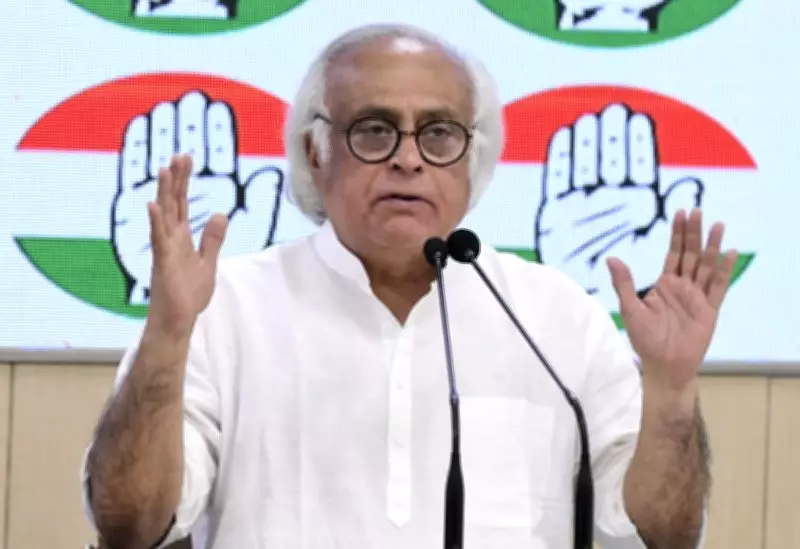
In a sharp critique, Congress leaders have expressed doubts about the effectiveness and coherence of the government's foreign policy, particularly in light of Pakistan's initiative to hold peace talks. The party argues that this move by Pakistan, and India's response to it, raises significant questions about the strategic direction of India's diplomacy under the current administration.
Key concerns highlighted by Congress include:

- The timing and context of the peace talks, which some view as potentially undermining India's stance on cross-border issues.
- The lack of transparency in the government's engagement with Pakistan, leading to calls for greater accountability.
- Potential implications for national security, with fears that such talks could embolden adversarial elements.
Background on the Peace Talks
Pakistan's hosting of the second round of peace talks marks a continuation of diplomatic efforts aimed at addressing longstanding conflicts in the region. These talks are part of broader international initiatives to foster dialogue and reduce hostilities, but they have been met with skepticism from various quarters in India.
The first round of talks, held earlier, set the stage for this latest development, but progress has been slow and contentious. Congress has pointed to this as evidence of a flawed foreign policy that may not adequately protect India's interests.
Political and Strategic Implications
The Congress party's questioning of the government's foreign policy adds a political dimension to the ongoing diplomatic maneuvers. This criticism is seen as part of a larger opposition strategy to hold the government accountable on international affairs, especially in an election year where foreign policy can be a key voter issue.
From a strategic perspective, the situation involves:
- Regional dynamics, with India's relations with Pakistan being a critical factor in South Asian geopolitics.
- International perceptions, as how India handles these talks could influence its global standing and alliances.
- Domestic repercussions, including public opinion and security concerns that may arise from the peace process.
Government's Response and Future Outlook
While the government has yet to issue a detailed response to Congress's criticisms, officials have previously emphasized a commitment to peaceful dialogue while safeguarding national interests. The outcome of these peace talks and the government's handling of them will likely shape future foreign policy debates and actions.
As the situation evolves, stakeholders are closely monitoring developments, with Congress continuing to press for clarity and a more robust diplomatic framework. This episode underscores the complex interplay between domestic politics and international relations in India's foreign policy landscape.