Punjab Congress Alleges BJP Attempted to Weaken State's Representation Through Delimitation Bill
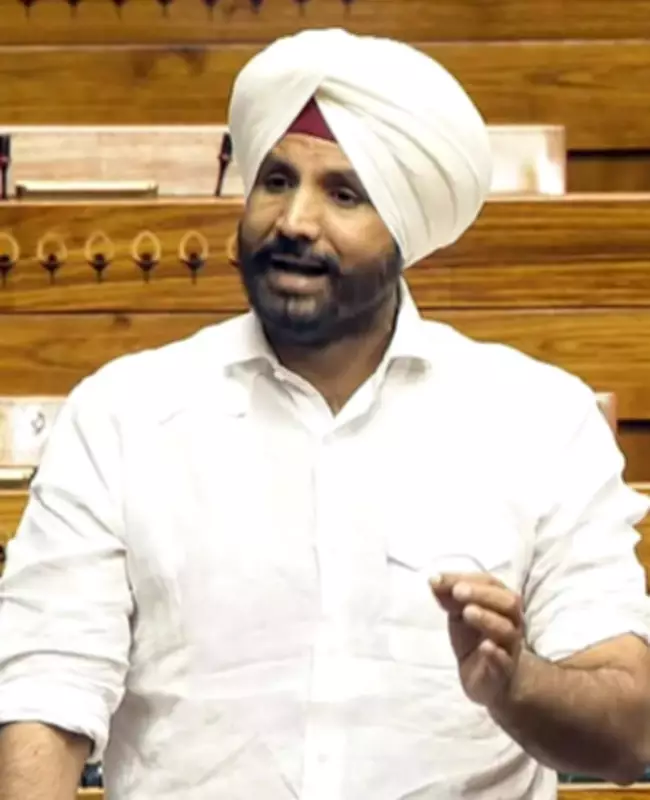
In a significant political development, the Punjab Congress has made serious allegations against the central government regarding the Constitution (131st Amendment) Bill, 2026. During a joint press conference at Congress Bhawan in Chandigarh on Monday, senior party leaders claimed that the opposition's vote against this bill prevented what would have been a substantial reduction in Punjab's parliamentary representation.
Delimitation Impact on State Representation
Punjab Congress chief Amrinder Singh Raja Warring, along with AICC general secretary Sukhjinder Singh Randhawa and AICC secretary Kuljeet Singh Nagra, presented detailed calculations showing the potential consequences of the proposed delimitation exercise. According to their analysis, if the bill had passed, Punjab's share of Lok Sabha seats would have decreased by 0.3%, while Uttar Pradesh's representation would have increased by a substantial 1.7%.
The leaders provided a comprehensive breakdown of how different states would have been affected:

- States gaining representation: Uttar Pradesh (+1.7%), Bihar (+1.2%), and Rajasthan (+1%)
- States losing representation: Punjab (-0.3%), Tamil Nadu (-1%), Kerala (-1%), and West Bengal (-0.2%)
Allegations of Women's Reservation Sabotage
The Congress leaders made the explosive claim that the Bharatiya Janata Party (BJP)-led central government attempted to introduce delimitation under the guise of women's reservation. They accused the ruling party of deliberately sabotaging the women's reservation agenda while simultaneously trying to blame the opposition for the failure.
"The Centre had tried to bring in delimitation in the guise of women's reservation," stated the Congress leaders during their press conference. "They have accused the BJP government at the Centre of sabotaging the women's reservation bill and trying to blame the opposition for it."
They emphasized that the women's reservation bill was unanimously passed in Parliament in 2023, suggesting that the current controversy represents a departure from that bipartisan consensus.
Congress's Historical Commitment to Women's Empowerment
The Punjab Congress leaders strongly asserted that their party requires no validation from the BJP regarding women's rights and reservations. They highlighted the Congress's historical commitment to gender equality in political representation, pointing specifically to former Prime Minister Rajiv Gandhi's landmark initiative in 1989.
"It was in 1989 when Rajiv Gandhi introduced 33% reservation for women in rural and urban local bodies," they reminded the media. "The result of this visionary policy is that approximately 40% of members in local bodies across the country are now women."
This historical precedent, according to the Congress leaders, demonstrates their party's genuine commitment to women's political empowerment, contrasting it with what they characterize as the BJP's politically motivated maneuvers.
Political Implications and State Interests
The allegations come at a crucial political juncture, with the delimitation of parliamentary constituencies being a sensitive issue that directly affects state representation in the national legislature. The Congress leaders framed their opposition to the bill as a defense of Punjab's interests against what they perceive as attempts to diminish the state's political voice.
By preventing the passage of the Constitution (131st Amendment) Bill, 2026, the opposition parties have, according to the Punjab Congress, protected not only women's reservation but also the fair representation of states that would have lost parliamentary seats under the proposed delimitation formula.
The press conference in Chandigarh represents a significant escalation in the political rhetoric surrounding both delimitation and women's reservation, setting the stage for further parliamentary debates and public discussions on these critical democratic issues.