CJI Surya Kant Highlights Election Dynamics in Supreme Court During Assam CM Case
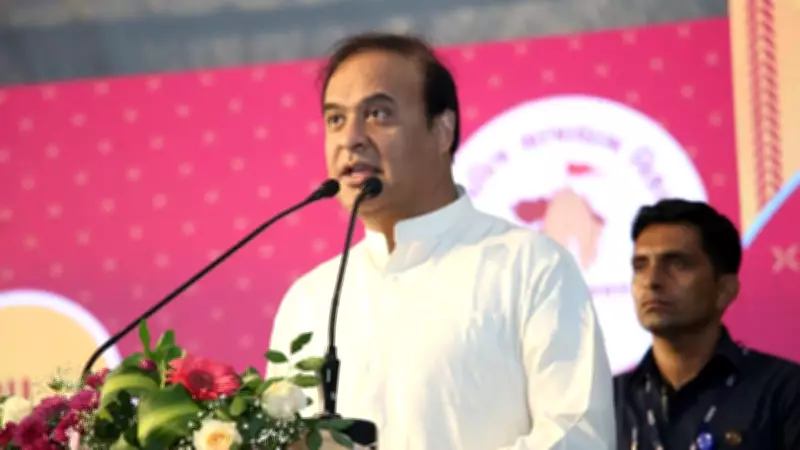
Chief Justice of India Surya Kant made a significant observation on Tuesday, stating that part of the election process is fought in the Supreme Court as the nation approaches polling periods. This remark came during a hearing on a plea seeking the top court's intervention against Assam Chief Minister Himanta Biswa Sarma for his alleged comments targeting a specific community.
Plea Details and Allegations Against Assam Chief Minister
The plea was filed by CPI(M) and CPI leader Annie Raja, represented by Advocate Mohammad Nizamuddin Pasha. It urgently requested the Supreme Court's action concerning disturbing speeches made by Sarma, including a video posted on the official X handle of the BJP's Assam unit. The video, allegedly uploaded on February 7, 2026, depicted Sarma in a shooting stance aimed at individuals wearing skullcaps, which the plea claims reinforces hostility against the Muslim community.
During the mentioning hours, when lawyers present urgent matters, Pasha informed the bench—comprising Justices Joymalya Bagchi and N V Anjaria alongside CJI Kant—that complaints had been filed but no FIRs registered. The plea argued that Sarma's speeches terrorize and incite violence against Muslims in Assam, constituting hate speech by degrading minorities and promoting stereotypes.

Constitutional and Legal Concerns Raised in the Plea
The petition emphasized that Sarma's conduct violates his constitutional oath, as his statements blur lines between illegal immigrants and Bengali-speaking Muslims through pejorative terms like "miya." It contended that addressing immigration should follow legal procedures, not extra-legal calls for social ostracism or vigilante violence. The plea warned that such rhetoric from a state authority could legitimize discrimination and communal hostility, with real-world impacts already emerging in economic and social exclusion cases.
This case underscores the ongoing tension between political speech and legal accountability, especially during election seasons, as noted by CJI Kant's candid reflection on the judiciary's role in electoral disputes.