Centre Provides Assurance to States on Equitable Seat Allocation for Women's Reservation Post-2026 Delimitation
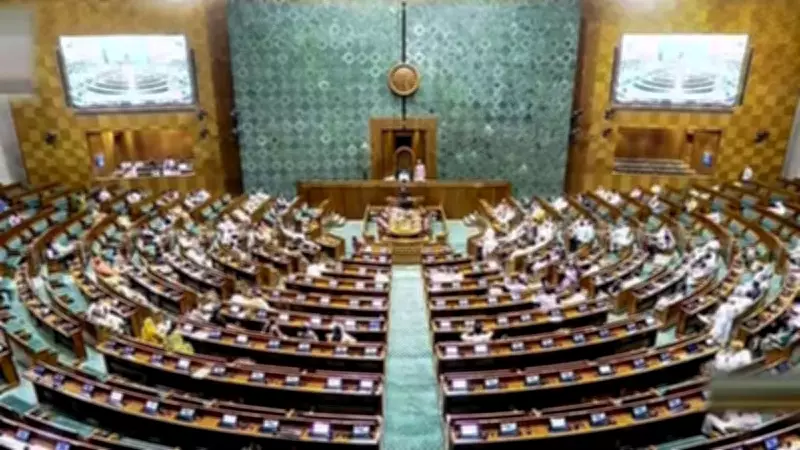
The Central government has issued a significant assurance to all states regarding the fair distribution of seats in preparation for the implementation of the women's reservation policy, which is scheduled to roll out following the delimitation exercise set for 2026. This move aims to address long-standing concerns and apprehensions among various state governments about potential imbalances in political representation that could arise from the new reservation framework.
Addressing State-Level Concerns Over Representation
In recent discussions, state authorities have expressed worries that the women's reservation mandate might disproportionately affect their legislative seat allocations, potentially skewing political power dynamics. The Centre's assurance seeks to mitigate these fears by committing to a transparent and equitable process during the delimitation phase. Officials emphasized that the goal is to ensure that every state receives a seat share that reflects its demographic and geographic realities, thereby upholding the principles of fairness and inclusivity enshrined in the Constitution.
Key Steps in the Delimitation Process Leading to 2026
The delimitation exercise, a critical redistricting of parliamentary and assembly constituencies based on the latest census data, is a prerequisite for the women's reservation rollout. The Centre has outlined a multi-faceted approach to this process:

- Data-Driven Methodology: Utilizing updated population figures to redraw constituency boundaries accurately.
- Stakeholder Consultations: Engaging with state governments, political parties, and civil society to incorporate diverse perspectives.
- Legal Safeguards: Ensuring compliance with constitutional provisions to prevent any arbitrary changes.
This structured plan is designed to create a robust foundation for the women's reservation policy, which mandates that one-third of seats in the Lok Sabha and state legislative assemblies be reserved for women candidates.
Implications for Political Landscape and Gender Equality
The assurance from the Centre is expected to have far-reaching implications for India's political landscape. By promising a fair seat share, the government aims to foster greater gender parity in elected bodies, potentially leading to more inclusive policymaking and enhanced representation of women's issues. Political analysts note that this move could also ease tensions between the Centre and states, paving the way for smoother implementation of the reservation policy. However, challenges remain, including logistical hurdles in the delimitation process and the need for ongoing dialogue to address state-specific concerns.
As the 2026 deadline approaches, all eyes will be on the Centre's ability to deliver on its promises, with the success of the women's reservation rollout hinging on the fairness and transparency of the upcoming delimitation exercise.