CDS Gen Anil Chauhan to Submit Formal Proposal on Integrated Theatre Commands to Defence Minister
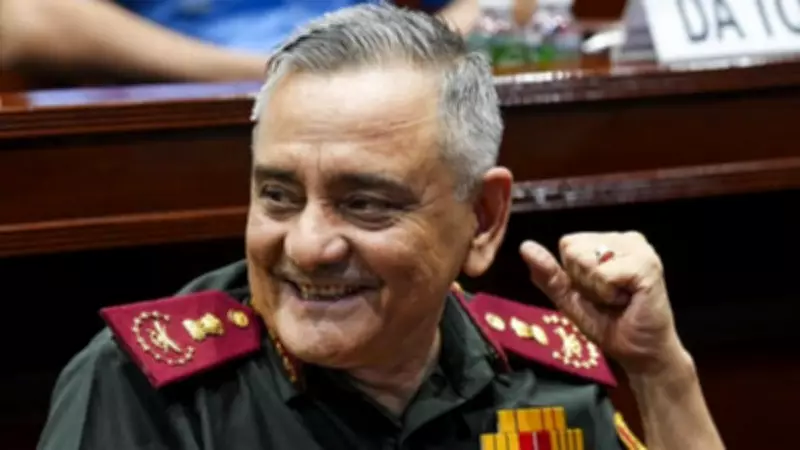
In a significant development for India's military modernization, Chief of Defence Staff (CDS) General Anil Chauhan is poised to submit a formal proposal on the establishment of integrated theatre commands to the defence minister in the near future. This move marks a crucial step in advancing the government's long-standing initiative to restructure the armed forces for enhanced operational efficiency and jointness.
Continuation of a Strategic Reform Initiative
The task of creating integrated theatre commands was originally assigned to the government by General Chauhan and his predecessor, General Bipin Rawat. Both military leaders have been instrumental in driving this transformative agenda, which aims to unify the Army, Navy, and Air Force under cohesive command structures. The proposal is expected to outline detailed frameworks for operational integration, resource allocation, and strategic coordination among the three services.
Key objectives of the integrated theatre commands include:

- Improving joint operational capabilities to address multi-domain threats.
- Streamlining command and control mechanisms for faster decision-making.
- Optimizing defense resources and reducing redundancies across the armed forces.
This reform is seen as a cornerstone of India's defense strategy, aligning with global best practices to bolster national security in an increasingly complex geopolitical landscape.
Implications for National Security and Defence Policy
The submission of this formal proposal is anticipated to trigger extensive discussions within the defence ministry and among military stakeholders. It represents a pivotal moment in India's ongoing efforts to modernize its armed forces, potentially leading to legislative and policy changes. The integrated theatre commands are designed to enhance India's ability to conduct synchronized operations, thereby strengthening its defensive and offensive postures.
Experts highlight that successful implementation could significantly boost India's military readiness and interoperability, making it a more formidable force in regional and global contexts. As the proposal moves forward, it will be closely monitored for its impact on defense budgeting, training protocols, and long-term strategic planning.