Political Cartoon on Trump's Post-Shooting Reaction Draws Attention
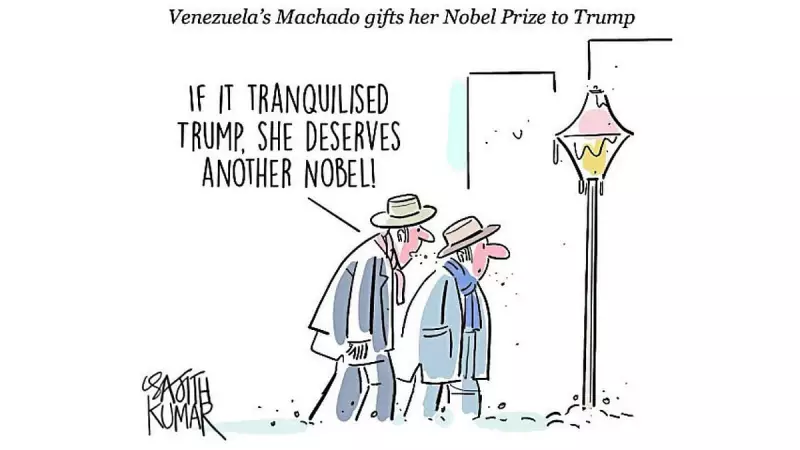
A recent cartoon published by Deccan Herald has stirred significant public interest. The artwork portrays former US President Donald Trump in a tranquilised state following an assassination attempt. This visual commentary has quickly become a talking point across social media and news platforms.
Satirical Take on a Serious Event
The cartoon uses sharp satire to comment on Trump's reaction after the shooting incident. It shows him appearing calm and sedated, which contrasts with the chaotic nature of such events. Artists often employ this method to highlight political figures' responses during crises.
Many viewers interpret the cartoon as a critique of Trump's demeanor post-attempt. They see it as questioning whether his public calmness reflects genuine composure or a more controlled presentation. This artistic expression taps into ongoing debates about leadership under pressure.

Public and Media Reactions Vary Widely
Reactions to the cartoon have been mixed. Some applaud it for its bold satire and timely relevance. They argue it effectively captures the surreal aspects of modern politics. Others, however, find it insensitive given the serious context of an assassination attempt.
Media analysts note that such cartoons play a crucial role in democratic discourse. They provide a visual shorthand for complex political narratives. In this case, the cartoon simplifies the multifaceted reactions surrounding Trump's experience.
Broader Implications for Political Satire
This incident raises questions about the boundaries of political satire. Cartoonists balance humor with sensitivity, especially when dealing with violent events. The Deccan Herald piece exemplifies this delicate balance, sparking conversations about artistic freedom.
Experts point out that political cartoons have a long history of influencing public opinion. They often serve as a mirror to society, reflecting collective anxieties and critiques. This particular cartoon continues that tradition by engaging audiences in a dialogue about power and perception.
As discussions unfold, the cartoon remains a focal point for examining how media portrays political figures. It underscores the enduring power of visual art in shaping political narratives.