Candace Owens Sparks Debate Over Charlie Kirk Death After Private Messages Leak
Political commentator Candace Owens has once again found herself at the center of a heated controversy following the public release of private messages connected to the death of conservative activist Charlie Kirk. What began as an internal exchange among associates has now erupted into a significant online debate, raising questions about transparency, privacy, and the handling of sensitive information.
Andrew Kolvet's Revelation About Sharing Private Messages
Andrew Kolvet, who worked closely with Charlie Kirk, has publicly acknowledged his role in the dissemination of these private communications. During his show on March 23, Kolvet confirmed that he shared screenshots from a private group chat with former congressional candidate Joe Kent shortly after Kirk's death.
"All right, so 'verified' is doing a lot of heavy lifting there... yes, in the immediate aftermath, I did provide the group chat to Joe Kent," Kolvet stated during his broadcast.

Kolvet explained his motivation was rooted in a desire for openness and ensuring that no relevant information remained concealed during the investigation into Kirk's death. "We don't throw around accusations recklessly here... in a spirit of looking at every lead... we wanted everybody that needed to know, to know anything that we knew," he emphasized.
Unintended Consequences and Public Disclosure
Despite his initial sharing of the messages with Kent, Kolvet made it clear that he lost control of how the information was subsequently used. "I was told I could trust Joe Kent... I don't know what happened to them at that point," he admitted, referring to the private messages.
Kolvet revealed that Kent later requested he make the messages public, a request he firmly refused. "Those were shared privately... there could be innocent people on that group chat that would then be harmed," he explained, highlighting his concerns about potential collateral damage.
Nevertheless, the texts surfaced publicly approximately one to two weeks later. While Kolvet did not directly accuse Kent of leaking the messages, he acknowledged that the timeline raises legitimate questions about how private communications became part of the public discourse.
Candace Owens' Controversial Interpretation
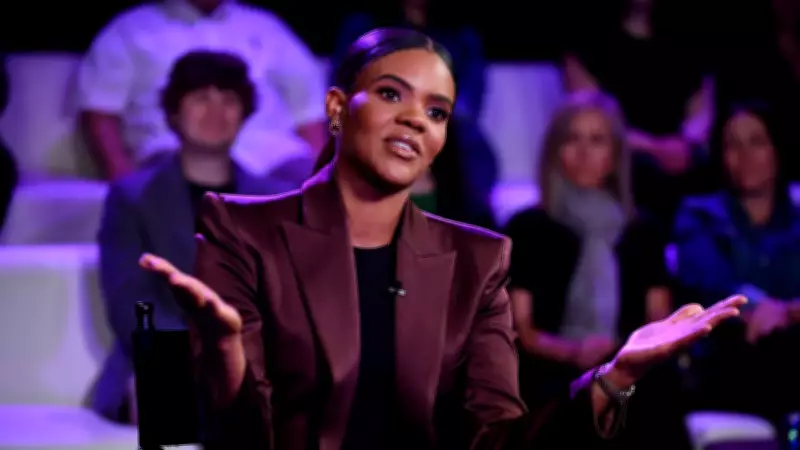
Meanwhile, Candace Owens seized upon these leaked messages to challenge the official narrative surrounding Charlie Kirk's death. She has used her platform to suggest that deeper, potentially sinister forces may have been involved, openly questioning the evidence presented in the case.
"Narcissistic vengefulness... they view the exposure of that text thread as the beginning of the public recognition that Charlie was betrayed," Owens commented, framing the message leak as part of a larger pattern.
Regarding the investigation's findings, Owens expressed skepticism: "It's so 'overwhelming'... we have a gun that not even the bomb dogs could trace... a magical bullet... just so overwhelming." She has consistently advocated for more rigorous questioning of the official account rather than accepting it as conclusive.
Pushback Against Conspiracy Theories
Kolvet and his co-host Blake Neff have actively pushed back against Owens' interpretations. Neff explicitly stated that they do not believe any broader conspiracy was involved in Kirk's death and cautioned against attributing the killing to any organized group.
The case itself involves Tyler Robinson, who allegedly claimed responsibility for the act due to ideological disagreements with Kirk's views. This development adds another layer to an already complex situation.
Additionally, Joe Kent faces separate scrutiny following reports of an FBI investigation into leaked classified information, though this appears unrelated to the Kirk case.
Broader Implications and Divided Perspectives
The controversy has effectively created two opposing camps: one demanding further investigation and questioning of established facts, and another warning against premature conclusions and the dangers of unfounded speculation.
This situation highlights several critical issues in contemporary discourse:

- The ethical boundaries of sharing private communications
- The role of public figures in shaping narratives around sensitive events
- The tension between transparency and privacy in high-profile cases
- The potential for digital communications to be weaponized in public debates
As the debate continues to unfold online, it raises fundamental questions about how information flows in the digital age and who controls the narrative when private exchanges become public property.