BJP Announces Solo Run for 2027 Punjab Elections, Confronts Organizational Hurdles
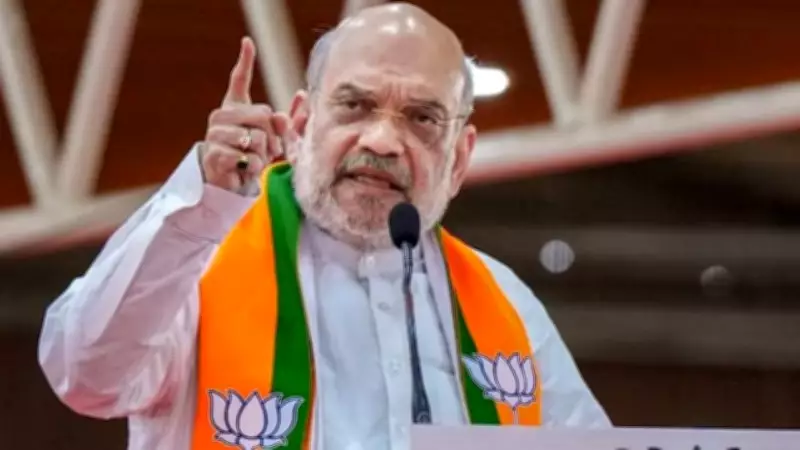
In a significant political development, Union Home Minister Amit Shah has declared that the Bharatiya Janata Party (BJP) will contest the 2027 Punjab Assembly elections independently, without any alliance partners. This announcement marks a decisive shift from decades of alliance politics with the Shiromani Akali Dal (SAD) and places the spotlight squarely on the party's organizational capabilities within the state.
Historical Electoral Setbacks Highlight Structural Weaknesses
Political analysts and party insiders alike point to a pattern of electoral disappointments that underscore the BJP's fragile grassroots structure in Punjab. The party's recent electoral history reveals consistent challenges in converting political stature into voting success.
In the 2014 Lok Sabha elections, senior BJP leader and former Union Finance Minister Arun Jaitley contested from Amritsar but suffered defeat. Despite this loss, he continued serving as India's finance minister. The pattern repeated in 2019 when former diplomat and senior BJP leader Hardeep Singh Puri contested from Amritsar and was defeated, though he currently serves as a Union cabinet minister.

Most recently in 2024, another former diplomat, Taranjit Singh Sandhu, entered the electoral arena from Amritsar but lost the parliamentary contest. He was subsequently appointed Lieutenant Governor of Delhi.
Assembly Election Performance Reflects Limited Reach
The situation in assembly elections has been similarly challenging for the BJP. In the 2017 Punjab Assembly polls, the party contested 23 seats in alliance with SAD but managed to win only three constituencies. Following the breakdown of this longstanding alliance, the BJP contested separately in the 2022 Assembly elections but secured just two seats, revealing its limited reach beyond select urban areas.
Senior BJP Sikh leader Avtar Singh emphasizes that the party must fundamentally rethink its strategy to expand its base in Punjab. "The party should strengthen its organizational structure and prioritize promoting credible Sikh faces, rather than relying heavily on political turncoats," he stated.
Strategic Imperatives for Organizational Overhaul
Avtar Singh argues that any candidate, including high-profile individuals, struggles to achieve electoral success without a robust local organizational network. "The party must bring forward clean, committed, and inspirational Sikh leadership if it wants to expand in rural and Panthic belts," he added.
He further noted that the BJP needs to engage seriously with farmers' concerns and Sikh community issues to shed the perception of being merely a Hindu-centric party in Punjab. This strategic shift is considered essential for building trust and expanding the party's appeal beyond its traditional urban strongholds.
According to a senior party source, following Shah's public announcement, a major overhaul of the Punjab BJP unit is expected, extending down to the grassroots level. This organizational restructuring is viewed as necessary because the party has previously failed to deliver desired electoral results despite fielding prominent candidates.
Broader Implications for Punjab's Political Landscape
The BJP's decision to contest independently represents more than just a tactical shift—it signals a fundamental rethinking of the party's approach to Punjab politics. For decades, the alliance with SAD provided the BJP with crucial support in the state, particularly in rural areas and among Sikh communities.
Now, as the party prepares to go solo, it faces the dual challenge of building an independent organizational structure while simultaneously addressing perceptions about its relationship with Sikh communities and agricultural concerns. The success or failure of this endeavor will significantly influence Punjab's political dynamics leading up to the 2027 elections.
Political observers note that weak election management and fragile grassroots structures have repeatedly undermined the BJP's prospects in Punjab. The party's ability to address these organizational shortcomings will determine whether it can translate Shah's declaration into meaningful electoral gains in 2027.