BJP Organizes Special Train to Transport Migrant Voters from Surat to West Bengal
In a strategic move ahead of the elections, the Bharatiya Janata Party (BJP) has arranged a special train to ferry migrant workers from Surat, Gujarat, to their home state of West Bengal. This initiative is part of a broader plan to mobilize approximately 5,000 supporters, who are employed in Surat and hail from various districts in West Bengal, to return home and cast their votes for what the party terms a 'change' in governance.
Chaos and Logistical Hurdles Reported
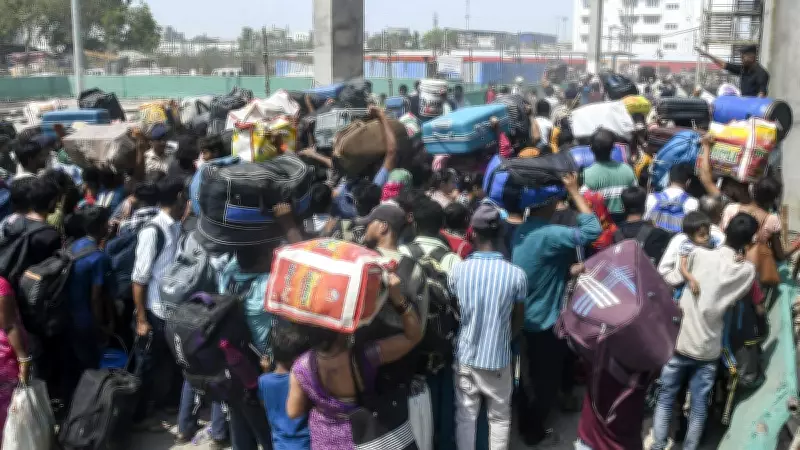
Reports indicate that the operation has been marked by significant chaos and logistical challenges. Migrant workers, many of whom are daily wage laborers in Surat's textile and diamond industries, have faced difficulties in coordinating their travel arrangements. The sudden influx of passengers at Surat railway station led to overcrowding and confusion, with some individuals struggling to secure seats or clear information about the train schedules.
Eyewitnesses described scenes of commotion as workers, eager to participate in the electoral process, jostled for space and assistance. Authorities on site attempted to manage the situation, but the sheer volume of travelers exacerbated the disorder. This chaos highlights the complexities involved in large-scale voter mobilization efforts, especially among migrant populations who often lack stable communication channels or travel resources.

Political Strategy Behind the Move
The BJP's decision to charter a special train underscores its focus on leveraging the migrant vote bank in West Bengal, a state where it has been actively campaigning to expand its influence. By facilitating the return of these workers, the party aims to ensure that its supporters can exercise their franchise, potentially swaying election outcomes in key constituencies. Political analysts suggest that this tactic reflects a growing trend of parties targeting migrant communities, who may have strong ties to their home regions but are often disenfranchised due to geographical barriers.
In statements, BJP representatives have emphasized the importance of enabling every citizen to vote, framing the train service as a democratic right. However, critics argue that such measures could be seen as partisan, raising questions about the use of party resources for electoral gains. The incident has sparked debates on the ethics of voter transportation and the need for transparent electoral practices.
Impact on Migrant Workers and Local Dynamics
For the migrant workers involved, this journey represents more than just a trip home; it is an opportunity to influence political change in West Bengal. Many of these individuals have been working in Surat for years, sending remittances back to their families, and view voting as a way to address issues like employment, infrastructure, and development in their native state. The chaos during the train's departure, however, has caused stress and inconvenience, with some workers expressing frustration over the lack of prior planning.
Local authorities in both Surat and West Bengal are monitoring the situation closely, as the arrival of thousands of voters could impact campaign dynamics and polling station management. Security measures have been heightened to prevent any untoward incidents, and election officials are preparing for increased voter turnout in the affected areas. This event also sheds light on the broader challenges faced by migrant populations in India, including their integration into electoral processes and access to basic services.
As the election season progresses, the success of such initiatives will be closely watched, with implications for future political strategies and migrant welfare policies. The BJP's special train from Surat to West Bengal serves as a notable example of how parties are innovating to engage voters, even as it raises concerns about implementation and fairness in the democratic arena.