BJP Launches Scathing Attack on Samajwadi Party's Dadri Rally
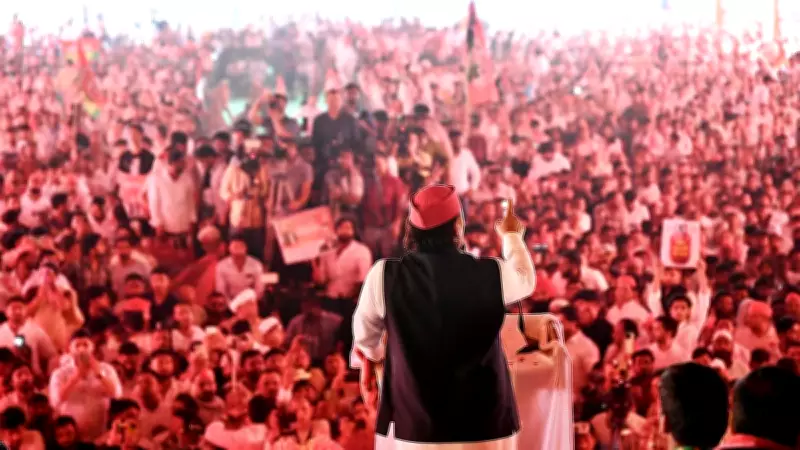
The political atmosphere in Uttar Pradesh has intensified as the Bharatiya Janata Party (BJP) has strongly criticized the Samajwadi Party's recent rally in Dadri, labeling it a "flop show". The attack was spearheaded by Uttar Pradesh Deputy Chief Minister Keshav Prasad Maurya, who made controversial remarks about the event's attendees.
Allegations of Criminal Elements at SP Rally
In a statement that has sparked significant controversy, Deputy CM Keshav Prasad Maurya claimed that the Samajwadi Party's Noida rally was dominated by what he described as "rioters, land mafia, and criminals". This accusation forms a central part of the BJP's strategy to undermine the opposition's political mobilization efforts ahead of upcoming elections.
Maurya's comments were made in response to the rally organized by SP chief Akhilesh Yadav, which aimed to galvanize support for the party. The BJP's characterization of the event as unsuccessful is seen as an attempt to diminish its impact and question the SP's organizational strength.

Context of the Political Clash
The Dadri rally is part of a broader series of political engagements in Uttar Pradesh, a key battleground state in Indian politics. The Samajwadi Party, under Akhilesh Yadav's leadership, has been actively campaigning to challenge the BJP's dominance in the state.
Key aspects of this political confrontation include:
- The timing of the rally, which coincides with heightened political activity in the region.
- The BJP's aggressive counter-narrative, focusing on law and order issues.
- The use of social media, as evidenced by Akhilesh Yadav's tweet promoting the event with the slogan: "We will form our PDA government in 2027!"
Implications for Uttar Pradesh Politics
This exchange highlights the deepening political rivalry in Uttar Pradesh, with both parties leveraging strong rhetoric to sway public opinion. The BJP's allegations against the SP rally attendees could influence voter perceptions regarding security and governance.
Observers note that such accusations are common in the high-stakes political environment of Uttar Pradesh, where parties often use charged language to discredit opponents. The focus on "rioters and criminals" taps into broader concerns about crime and stability in the state.
As the political landscape evolves, the effectiveness of these strategies will be tested in the electoral arena. The Samajwadi Party has yet to issue a detailed response to Maurya's specific claims, but the party's social media activity suggests a continued push for mobilization.
The incident underscores the volatile nature of Uttar Pradesh politics, where rallies and public statements are closely watched for their potential impact on future electoral outcomes. Both parties are expected to escalate their campaigns as key dates approach.