The first punyatithi, or death anniversary, of former Prime Minister Dr. Manmohan Singh on December 26, 2025, became a moment for profound reflection and reassessment in Indian politics. The day was marked by two significant social media posts that captured a shifting narrative around the legacy of the soft-spoken economist who once helmed the nation.
A Lawyer's Public Regret and a Political Tribute
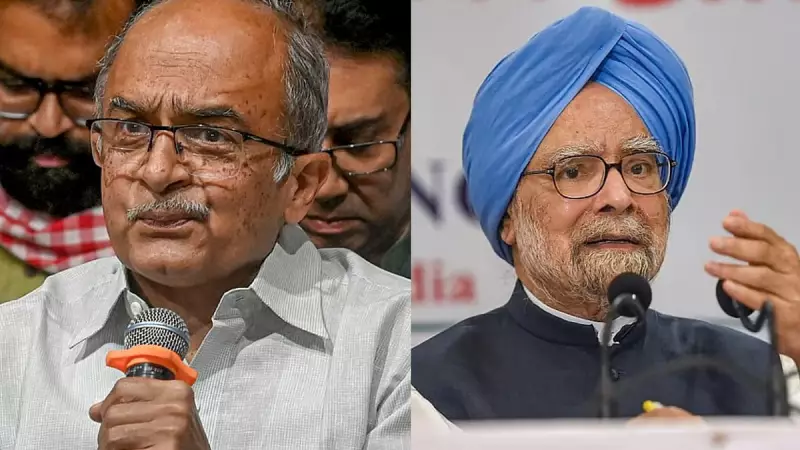
In a notable and candid post on the platform X, prominent lawyer and activist Prashant Bhushan offered a striking personal apology. Bhushan described Dr. Singh as "a humble, decent, well educated & well meaning man" whose qualities were often misconstrued as weaknesses during his tenure. Expressing deep remorse, Bhushan stated he regretted participating in a movement that vilified the former PM and, in his view, inadvertently helped a "rogue regime" ascend to power. This post, shared on December 26, 2025, sparked widespread discussion about the political discourse of that era.
Simultaneously, Congress President Mallikarjun Kharge paid formal homage to the former Prime Minister. In his tribute posted on the same day, Kharge remembered Dr. Singh with "deep respect" for his immense contribution to India's nation-building. He hailed Singh as a "transformative leader" who fundamentally reshaped the country's economic trajectory. Kharge emphasized that Singh's policies successfully expanded opportunities for millions of Indians through his pioneering economic vision.

Re-examining a Transformative Economic Legacy
The juxtaposition of these statements highlights a continuing re-evaluation of Dr. Manmohan Singh's decade-long premiership. As the principal architect of India's landmark economic liberalization in 1991, his legacy is intrinsically tied to the nation's journey towards becoming a global economic player. Kharge's tribute directly underscores this, focusing on the economic path and expanded opportunities that defined Singh's tenure.
Bhushan's regret, however, touches on the complex political reception Singh faced. It acknowledges the intense criticism from civil society and anti-corruption movements during the UPA-II government, suggesting a retrospective nuance to that criticism. The admission points to a broader introspection about political tactics and their unintended consequences in the nation's democratic fabric.
Legacy and the Politics of Memory
The events of December 26, 2025, show how the assessment of a leader's legacy evolves over time. The personal apology from a former critic and the official tribute from his party together create a more layered portrait of Dr. Singh. They move beyond the simplistic binaries of strong versus weak leadership, instead focusing on the enduring impact of his humility, decency, and economic scholarship.
This punyatithi has served not just as a day of remembrance but as a moment for political and public reconciliation with a pivotal figure in modern Indian history. The reflections from both a key activist and a senior political leader indicate that history's judgment of Dr. Manmohan Singh is being thoughtfully revisited, with a greater emphasis on his foundational role in building contemporary India's economic infrastructure.