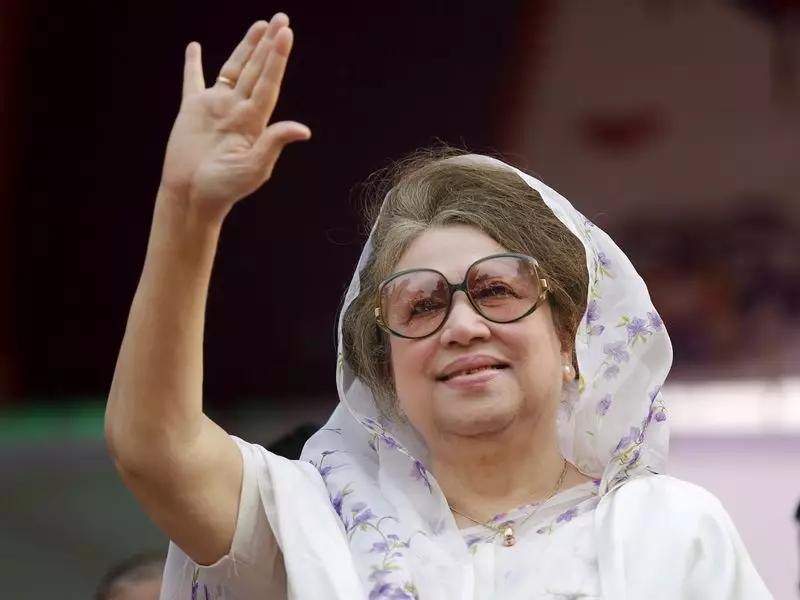
The political landscape of Bangladesh holds its breath as Khaleda Zia, the country's former Prime Minister and a towering opposition figure, battles for her life. Medical authorities have declared her health to be in an 'extremely critical' state, sending shockwaves through her party, the Bangladesh Nationalist Party (BNP), and the nation.
A Rapid Decline in Health
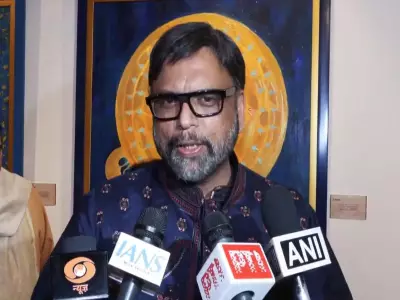
Professor AZM Zahid Hossain, Khaleda Zia's long-time personal physician, delivered the grave update on Saturday. He revealed that the 78-year-old leader's condition took a sharp turn for the worse. She is currently receiving intensive treatment at the Evercare Hospital in Dhaka, a facility where she has been in and out for various serious ailments over recent years.
Dr. Hossain's statement was unequivocal, noting that a team of doctors is working relentlessly to stabilise her. The nature of the current crisis involves multiple organ complications, a dire situation for anyone, especially for someone of Zia's age and with her documented medical history. Her body is reportedly showing a poor response to treatment, heightening concerns.

Background of Ailing Health and Legal Troubles
Khaleda Zia's health struggles are not new. The former two-time Prime Minister has been grappling with severe illnesses, including liver cirrhosis, arthritis, diabetes, and complications related to the heart and kidneys. Her political career has been equally tumultuous, marked by a fierce rivalry with current Prime Minister Sheikh Hasina.
Her current health crisis unfolds against a backdrop of ongoing legal and political challenges. In 2018, Zia was convicted on corruption charges and sentenced to prison. She served a portion of her term in a Dhaka jail before being released on a suspended sentence in 2020 on humanitarian grounds, conditional upon receiving medical care within the country.
This conditional release has been a point of contention. Her family and the BNP have repeatedly sought permission for her to travel abroad, notably to countries like Germany, Singapore, or the United Kingdom, for advanced medical treatment. However, the Bangladeshi government has consistently denied these requests, citing the legal conditions of her release.
Political Repercussions and National Anxiety
The news of her critical condition has immediate and profound political implications. As the chairperson of the BNP, Khaleda Zia remains the symbolic heart of the opposition, even as her direct political activities have been curtailed by illness and legal barriers. Her potential passing would create a significant vacuum within the party and alter the dynamics of Bangladeshi politics ahead of future electoral cycles.
The situation has triggered an outpouring of anxiety and prayers from her supporters across Bangladesh. Social media and public spaces are abuzz with discussions about her health and the government's stance on allowing her overseas treatment. The BNP leadership is likely to use this moment to intensify its criticism of the ruling Awami League government, framing it as a matter of basic human rights and dignity for a former head of state.
For now, the nation watches and waits. The medical team at Evercare Hospital faces the daunting task of managing a complex, multi-system failure in a high-profile patient. The coming days will be crucial, not only for Khaleda Zia's survival but also for the political trajectory of Bangladesh, as one of its most defining figures fights her most critical battle yet.