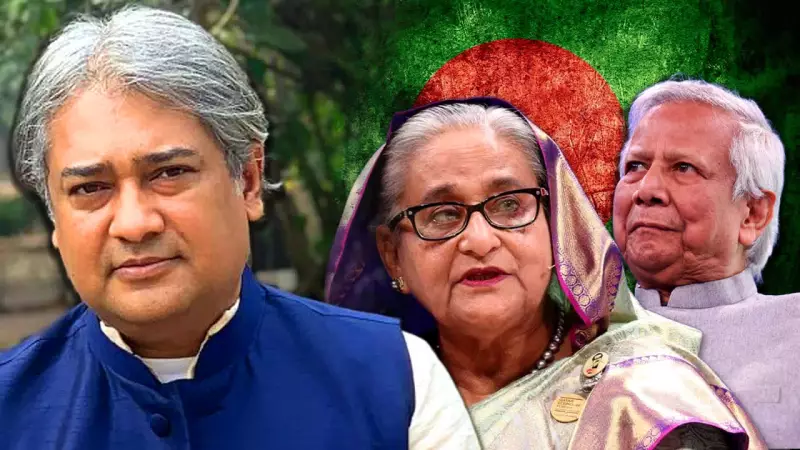
Bangladesh's Political Crisis Escalates as Awami League Calls for Election Boycott
Just weeks before Bangladesh's scheduled national elections, the country's political landscape has been thrown into turmoil. The Awami League, Bangladesh's largest and most influential political party, has launched a decisive campaign to boycott the upcoming February 12 polls, declaring them fundamentally illegitimate.
'No Boat No Vote' Movement Gains Momentum
From New Delhi, Awami League leader Mohammad A Arafat addressed international media, articulating the party's firm stance against what he described as unconstitutional elections. The powerful slogan "No Boat, No Vote" has emerged as the rallying cry for this movement, symbolizing the party's iconic boat symbol and their determination to delegitimize the electoral process through mass voter abstention.
Arafat emphasized that genuine democracy cannot exist when the Awami League, the party that led Bangladesh's liberation movement, is systematically excluded from participation. "When the founding political force of our nation is banned from contesting, the entire electoral exercise becomes a farce," he stated during his briefing.

Sheikh Hasina's Stern Warning
Adding significant weight to the boycott call, former Prime Minister Sheikh Hasina has joined the protest, delivering a scathing critique of the current political setup. She has accused the Yunus-led interim government of what she terms "state hijacking" and warned that Bangladesh stands at the precipice of chaos under this administration.
"This unconstitutional government has pushed our nation toward instability," Hasina declared, aligning herself fully with the boycott movement. Her endorsement has galvanized senior Awami League leaders, who have unanimously backed the strategic withdrawal from the electoral process.
Implications for Democratic Continuity
The Awami League's boycott creates unprecedented circumstances for Bangladesh's democracy. For the first time in the nation's electoral history, elections will proceed without participation from the party that has governed for most of the past two decades. This development raises profound questions about:
- The legitimacy of election outcomes without major party participation
- Voter turnout and public mandate credibility
- Constitutional governance during interim periods
- Regional stability implications
Political analysts express concern that an election boycotted by the country's primary opposition force could undermine democratic institutions and create governance challenges regardless of the results. The "No Boat, No Vote" campaign represents not merely an electoral strategy but a fundamental challenge to the constitutional framework under which these elections are being conducted.
As Bangladesh approaches this critical electoral juncture, the international community watches closely, recognizing that the outcome will significantly impact South Asian political dynamics and democratic norms in the region.