Awami League's Election Boycott Call Deepens Bangladesh's Political Turmoil
With Bangladesh's crucial national elections just weeks away, the country's political landscape has been thrown into unprecedented chaos. The Awami League, Bangladesh's largest and most influential political party, has launched a dramatic boycott campaign that threatens to undermine the entire electoral process.
'No Boat No Vote' Slogan Challenges Election Legitimacy
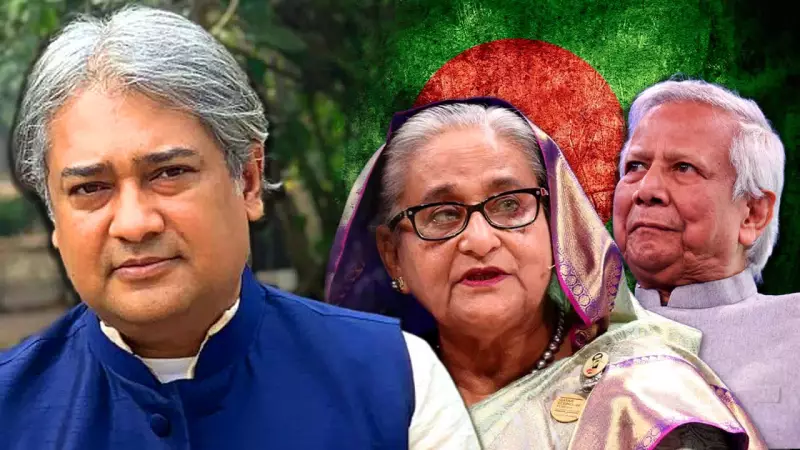
From his media briefing in New Delhi, Awami League leader Mohammad A Arafat delivered a powerful condemnation of the upcoming February 12 elections. He declared the polls fundamentally illegal, arguing they are being conducted under what he called an unconstitutional interim government. The party's central message, encapsulated in the slogan "No Boat, No Vote," represents a direct challenge to the election's democratic credentials.
Arafat emphasized that true democracy cannot exist when the Awami League, the party that led Bangladesh's liberation movement, is systematically excluded from participation. This exclusion, he argued, creates an inherently flawed electoral environment that cannot produce legitimate governance.

Sheikh Hasina Joins the Protest Against Yunus-Led Government
Adding significant weight to the boycott call, former Prime Minister Sheikh Hasina has publicly endorsed the movement. In strong language, she accused the Yunus-led interim setup of effectively hijacking the Bangladeshi state apparatus and pushing the nation toward political and social chaos.
The combined force of senior Awami League leadership backing this boycott creates a formidable political challenge. Their unified stance suggests a coordinated strategy to delegitimize the election by encouraging mass voter abstention, thereby collapsing turnout to levels that would question the mandate of any resulting government.
Implications for Democratic Continuity and Regional Stability
The prospect of Bangladesh conducting a national election without the participation of its founding political party raises profound questions about democratic continuity. This development represents one of the most serious political crises in Bangladesh's recent history, with potential ramifications extending far beyond the country's borders.
Regional stability concerns are mounting as Bangladesh faces this constitutional impasse. The absence of the Awami League from the electoral process creates a vacuum that could lead to prolonged political uncertainty, affecting economic stability and diplomatic relations throughout South Asia.
The international community is watching closely as Bangladesh navigates this delicate political moment. The success or failure of the "No Boat, No Vote" campaign will likely determine not only the immediate election outcome but also the longer-term trajectory of Bangladesh's democratic institutions and its position in regional geopolitics.