Amit Shah Details Lok Sabha Expansion and Southern States' Gains
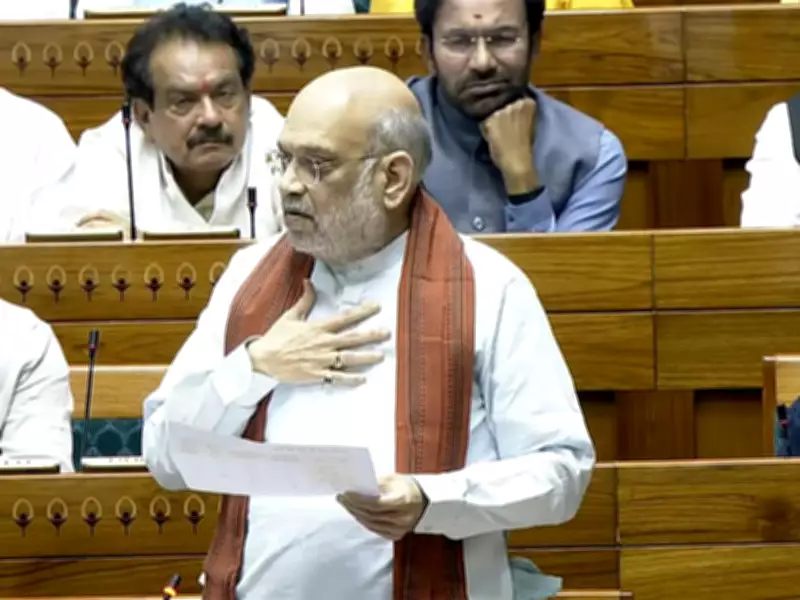
Union Home Minister Amit Shah addressed the Lok Sabha on Thursday, providing a comprehensive breakdown of the proposed expansion of the Lower House. He emphasized that the five southern states—Karnataka, Andhra Pradesh, Telangana, Tamil Nadu, and Kerala—would collectively see their representation increase significantly, from 129 seats to 195 seats. This announcement came during a debate on women's reservation-related amendment bills and the delimitation framework, where Shah dismissed claims that the Centre's plan would reduce the political weight of southern states as a false narrative designed to mislead the public.
Precise Numbers and Share Analysis
Shah explained that the total strength of the Lok Sabha is set to rise to 816 seats, a precise 50% increase over the current 543 elected seats. He noted that the legislation mentions a ceiling of 850 seats for rounding purposes, but the actual figure is 816. Breaking down the revised numbers for the southern states, he provided specific details:
- Karnataka: Seats will increase to 42 from the present 28.
- Andhra Pradesh: Seats will rise to 38 from 25.
- Telangana: Seats will be 26 from the present 17.
- Tamil Nadu: Seats will go up to 59 from the present 39.
- Kerala: Seats will be 30 from the present 20.
He added that the combined share of these states in the Lok Sabha would edge up slightly, from 23.76% at present to 23.87%, approaching nearly 24% overall. This data aims to counter allegations that the delimitation exercise would disadvantage southern regions.

Rejection of Opposition Allegations and Historical Context
Shah firmly rejected opposition allegations that the government could manipulate the delimitation process. He stated that the current bill mirrors earlier legal provisions introduced under previous governments, asserting, The delimitation bill is exactly like the previous law brought by your government. There is no change, not even a comma or a full stop. This comparison was intended to highlight continuity and transparency in the legislative process.
Clarifications on Women's Reservation and Electoral Timelines
On the women's reservation measure, Shah clarified that the quota would not take effect immediately. It will apply only from the 2029 general election onward. Until then, every election, including the 2027 Uttar Pradesh Assembly polls, will continue under the existing electoral structure. Addressing Samajwadi Party chief Akhilesh Yadav directly, Shah remarked, Akhilesh ji, you don't need to worry even though you are not going to win the elections in Uttar Pradesh. He also dismissed suggestions that the timing of the women's reservation bill was linked to upcoming West Bengal elections, emphasizing its standalone importance.
Caste Census and Government Initiatives
Regarding caste enumeration, Shah announced that the government has already approved a caste census, which will be conducted alongside the population census process. Responding to criticism from the Samajwadi Party, he said, Right now, the counting of households is underway and the households do not have any caste. If the Samajwadi Party had its way, it would determine the caste of households as well. This statement aimed to address concerns about data accuracy and political motivations.
Legislative Framework and Future Implications
The Lok Sabha is currently considering the Constitution (131st Amendment) Bill, 2026, the Union Territories Laws (Amendment) Bill, 2026, and the Delimitation Bill, 2026. Under the proposed framework, the expanded 816-member Lok Sabha would include 272 seats reserved for women, amounting to one-third of the House. This expansion and reservation plan are part of broader efforts to enhance representation and address demographic changes in India.
Shah's detailed presentation underscores the government's commitment to equitable political representation while challenging opposition narratives. The proposed changes are set to reshape India's parliamentary landscape, with significant implications for regional balance and gender inclusivity in future elections.