Amit Shah Highlights Resilience of Sanatan Dharma at Somnath Temple
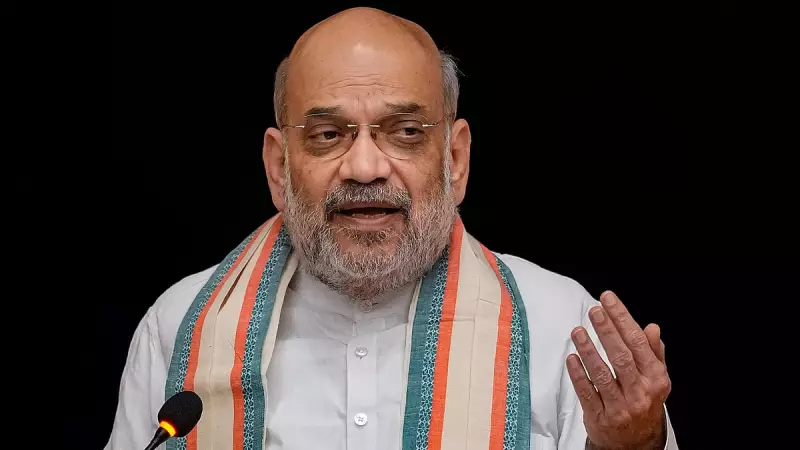
Union Home Minister Amit Shah delivered a powerful statement on the enduring strength of India's Sanatan Dharma and cultural heritage. Speaking at the historic Somnath temple in Gujarat, he emphasized that these foundational elements of Indian society cannot be easily erased or diminished.
Temple Stands Proudly Despite Historical Attacks
Shah pointed to the Somnath temple itself as a living testament to this resilience. He noted that those who attacked the temple in the past have eventually disappeared from history. However, the temple continues to stand proudly in its original location on the seashore in Gujarat's Gir Somnath district.
The Home Minister made these remarks during a visit to the temple, which holds significant religious and historical importance for Hindus across India. His comments come at a time when discussions about cultural preservation and identity are prominent in national discourse.

Symbol of Cultural Continuity
The Somnath temple has been rebuilt multiple times after various invasions and destructions throughout history. Shah highlighted this cyclical process of destruction and reconstruction as symbolic of India's unbroken cultural continuity. He stressed that the temple's current presence demonstrates how Sanatan Dharma and associated cultural practices have withstood numerous challenges over centuries.
Shah's statement reinforces the government's position on protecting and promoting India's ancient cultural heritage. His words carry particular weight given his senior position in the administration and his known advocacy for cultural nationalism.
Broader Implications
This declaration at Somnath temple resonates beyond the immediate religious context. It touches upon broader themes of:
- Historical endurance of Indian civilization
- Cultural identity in contemporary India
- Architectural heritage preservation
- Religious freedom and expression
The timing of these remarks, coming early in 2026, suggests they may set a tone for cultural policy discussions in the coming year. The Somnath temple location adds symbolic weight to the message, as this site has witnessed both destruction and revival throughout India's history.
Shah's assertion that attackers have disappeared while the temple remains standing serves as a metaphor for what he sees as the temporary nature of opposition to India's core cultural values versus their permanent essence. This perspective aligns with current governmental approaches to cultural and historical narratives.