Amartya Sen Criticizes West Bengal SIR: Warns of BJP Benefit from Under-Accounting
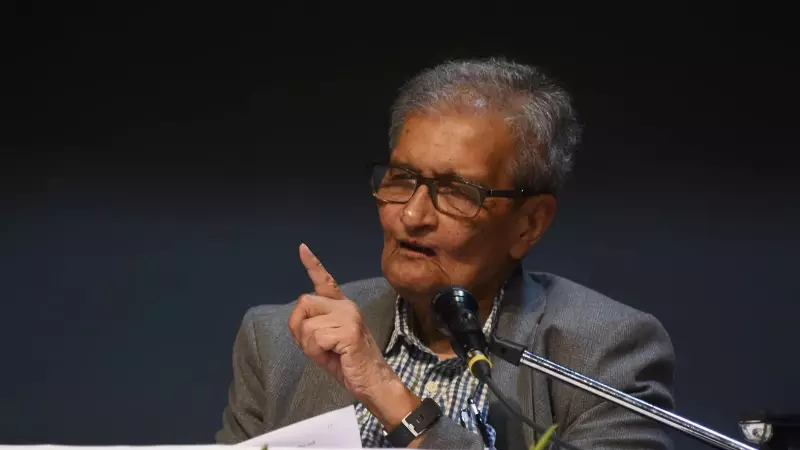
Nobel laureate Amartya Sen has raised serious concerns about the Special Intensive Revision (SIR) of electoral rolls in West Bengal, describing the exercise as being conducted with "undue haste" that could undermine democratic participation. The 92-year-old economist, speaking from Boston, warned that this rushed process might inadvertently benefit the Bharatiya Janata Party (BJP) through under-accounting of voters.
Sen's Personal Experience with SIR Notices
Sen's criticism comes after he was served a notice by the West Bengal Election Chief Electoral Office for a hearing at his Santiniketan residence on January 16. The notice cited a "logical discrepancy" in his enumeration form, specifically pointing to an age difference between him and his deceased mother that was less than 15 years. Sen expressed frustration, noting that both his and his mother's details were already stored in official records, and he has voted from Santiniketan previously.
"Like many Indian citizens born in rural India, I do not have a birth certificate, and my eligibility to vote required further paperwork to be presented on my behalf," Sen told PTI. He highlighted that this situation is particularly challenging for citizens who lack similar assistance or resources.

Concerns Over Rushed Process and Democratic Implications
Sen emphasized that a carefully conducted SIR with adequate time would represent a good democratic procedure, but he asserted that "this is not happening in West Bengal." He pointed out that the SIR is being done in a hurry, with insufficient time for eligible voters to submit necessary documents to validate their voting rights for the upcoming assembly elections.
"This is both unjust to the electorate and unfair to Indian democracy," Sen stated. He warned that the exercise, if not rectified, could jeopardize democratic participation by disenfranchising vulnerable groups.
Allegations of Class Bias and Potential BJP Benefit
Sen pointed to a "class bias" in the SIR process, noting that the documents required for inclusion in the new electoral roll are often difficult for marginalized communities to obtain. He also raised concerns about minority communities, particularly Indian Muslims, facing difficulties in securing their voting rights due to activism from Hindutva extremists.
"I have been told by those who seem to know more, that the BJP will benefit from the under-accounting," Sen revealed, suggesting that the rushed SIR could disproportionately advantage the ruling party at the national level.
Call for ECI and Supreme Court Intervention
Sen urged the Election Commission of India (ECI) and the Supreme Court to ensure that no adult Indian citizen faces undue difficulty in qualifying to vote. He stressed the need for these institutions to safeguard democratic principles and prevent any erosion of voting rights.
Background on West Bengal SIR and Legal Developments
The SIR in West Bengal has been a contentious issue, with political circles abuzz over its credibility. In response to a petition by Trinamool Congress MP Dola Sen, the ECI defended its actions, citing that 2.06 lakh voters in West Bengal had been linked to six or more children, leading to notices for logical discrepancies.
Recent Supreme Court directions to the ECI have further complicated the timeline. The court has mandated scrutiny of voters, potentially delaying the SIR process. Deadlines for SIR hearings and final electoral roll publication are set for February 7 and 14, respectively, but a senior ECI official admitted that completing all hearings within this timeframe is "almost impossible" to achieve flawlessly.
This situation underscores the broader challenges in balancing electoral integrity with inclusive democratic participation, as highlighted by Sen's warnings.